
Adapted from previously published coverage.
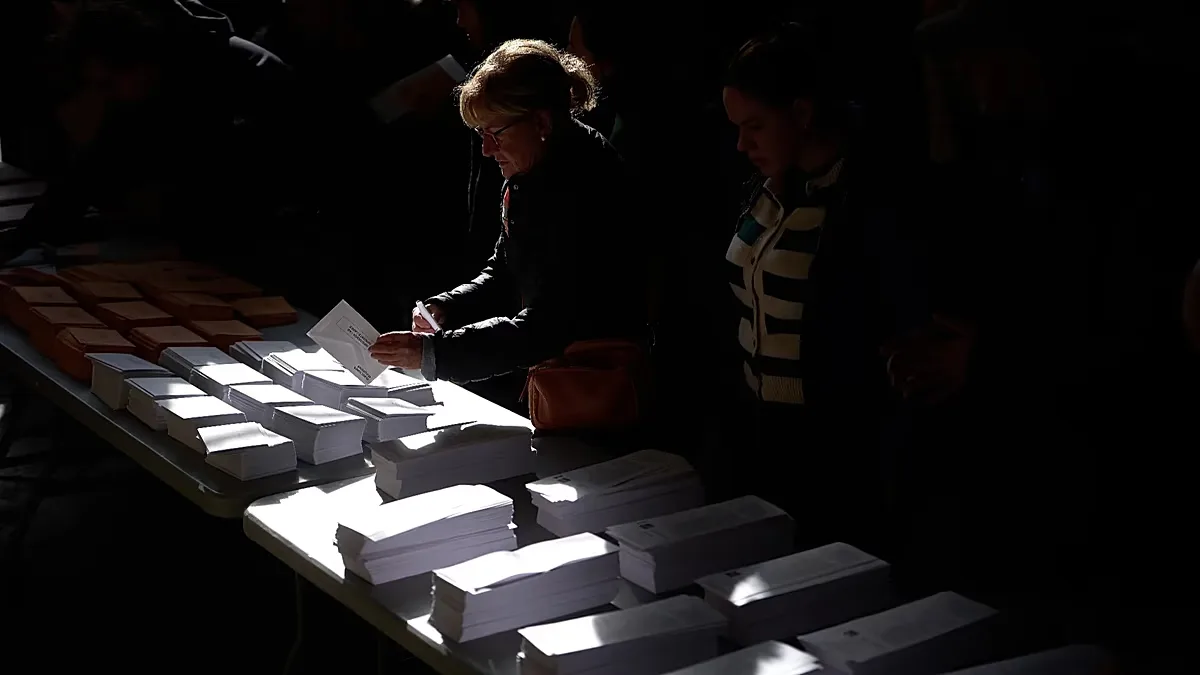
The Partido Popular will return to governing Spain after eight years in opposition, but for the first time, it will not do so alone. The growth of the far-right Vox - whether or not it enters the government - guarantees Alberto Núñez Feijóo his investiture in the Congress of Deputies as the eighth prime minister since the return of democracy, after an election night with no surprises compared with the polls and with voter turnout not seen since the 1982 election, at 78.76%.
With 80% of the votes counted, the PP goes from 137 to 133 seats, losing only four, which are offset by Vox's rise from 33 to 51, as well as by its guaranteed ally in Navarre, UPN, which goes from one seat to two.
In total, without counting other possible occasional partners in legislative votes such as the Basque Nationalist Party, Canary Coalition or Junts, this weight of 186 seats on the right-hand side of the scale, ten above the 176 seats needed for a simple majority, is balanced by the state-wide left.
With 117 MPs, Pedro Sánchez's PSOE loses four seats compared with the previous election in July 2023, a drop of a similar percentage to that of the PP. It is the collapse of Ada Colau's Frente Amplio, which falls from the 31 seats won under its previous label, Sumar, that seals the fate of the statewide left bloc: it is reduced to ten representatives.
Podemos, which ran together with Sumar in that election but refused to form a coalition this time, disappears completely from the national political map: not even its leader, Irene Montero, manages to win a seat.
The polls have also been right about the good night for the nationalist left. Esquerra Republicana de Catalunya, led by Gabriel Rufián, goes from seven to 11 seats; in the Basque Country, EH Bildu (7) gains one more representative, as does the Galician Nationalist Bloc, which goes from one to two. The surprise comes from a new political force in the race for San Jerónimo, Adelante Andalucía, with four new seats. The Valencian party Compromís, formerly part of Sumar, ends up with three seats.
The right-wing pro-independence or regionalist parties, by contrast, see their parliamentary representation fall. Junts per Catalunya keeps its own group with five representatives but loses two seats, while the Basque Nationalist Party drops from five to three and moves into the Mixed Group.


Comments 0
No comments yet. Start the conversation.
Leave a comment