Adapted from previously published coverage.
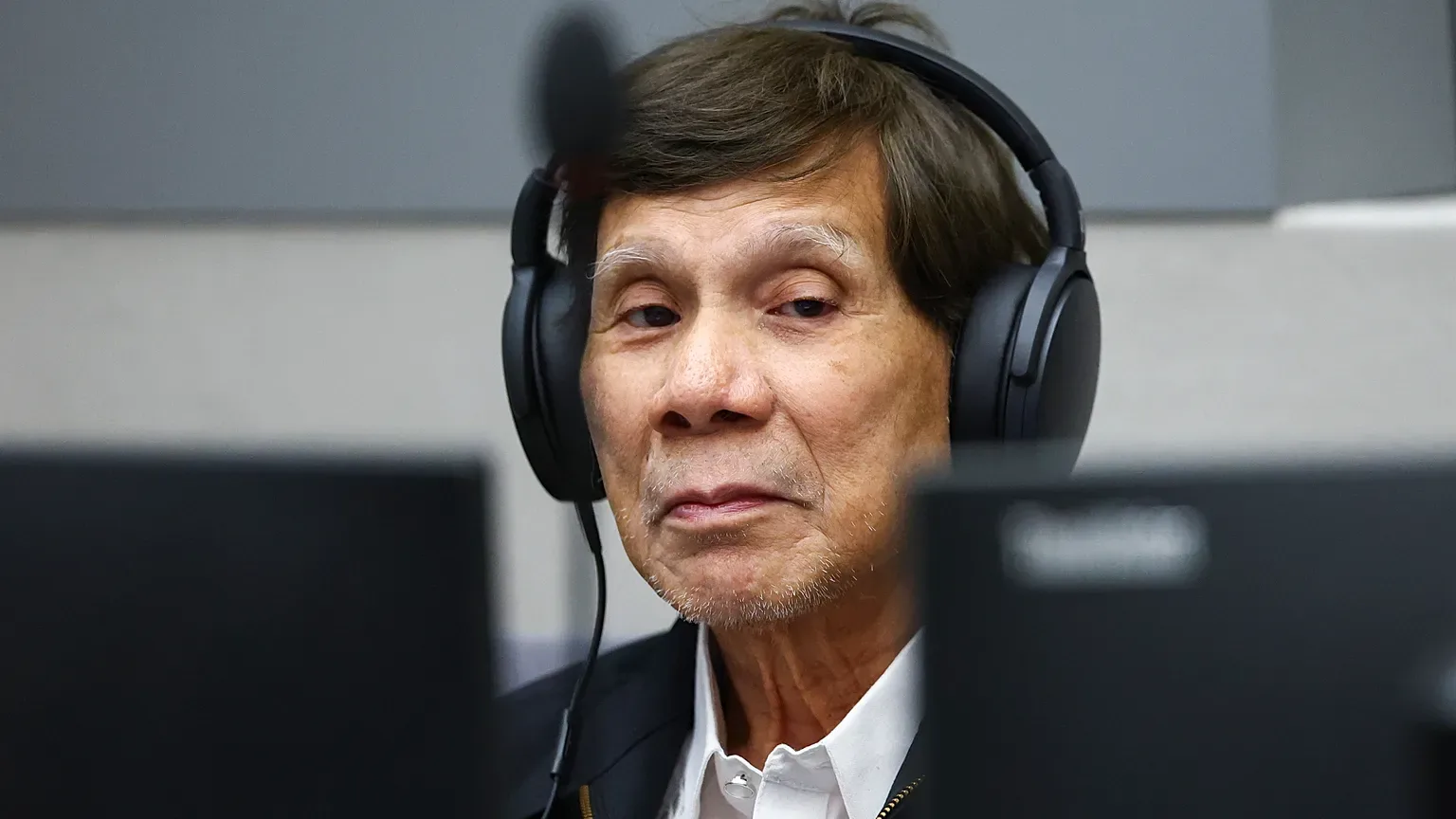
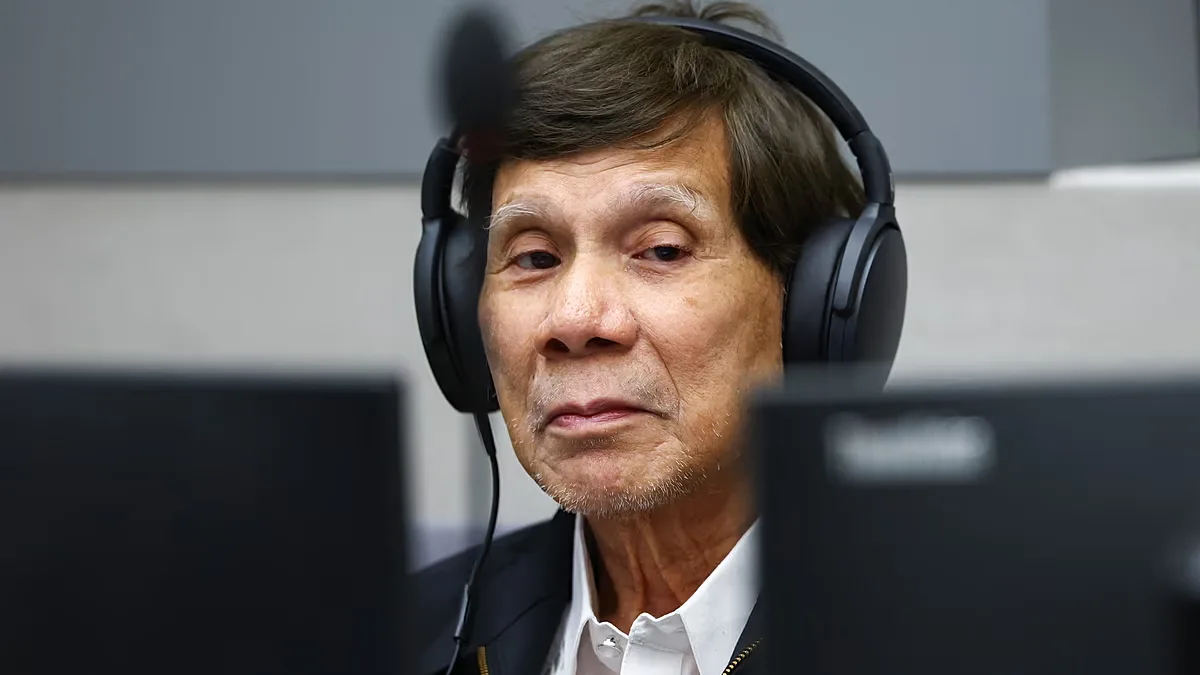
The start of the trial on Monday of the former president of the Philippines marks an important milestone for the International Criminal Court (ICC), now 24 years old, and will be a crucial test of its ability to try international political leaders for alleged crimes committed while in office.
The ICC also has outstanding arrest warrants for Russian President Vladimir Putin and Israeli Prime Minister Benjamin Netanyahu over their respective roles in the wars in Ukraine and Gaza.
The court is facing unprecedented pressure from Washington, where the Trump administration imposed punitive sanctions on key members individually and on the institution as a whole, in what is described as an effort to dismantle the court "stone by stone".
James A. Goldston, executive director of the Open Society Justice Initiative, a human rights advocacy group, said in a statement that at a time when the court is facing mounting attacks, these proceedings demonstrate its "vital role in holding the powerful to account and reaffirm why international justice must be defended".
Duterte accused of crimes against humanity
Earlier this year, ICC judges ordered that Duterte should stand trial, saying there are "substantial grounds to believe" that he is responsible, as an indirect co-perpetrator, for the crimes against humanity of murder and attempted murder committed during the crackdown on drug trafficking between November 2011 and March 2019.
The first charge concerns alleged killings that took place while Duterte was mayor of the southern Philippine city of Davao. Prosecutors allege that Duterte founded and led a group called the "Davao Death Squad", which targeted suspects linked to drug dealing and drug use.
The second charge relates to alleged targeted killings between 2016 and 2017, when Duterte was president.
The third concerns alleged murders and attempted murders during the so-called "clean-up operations" between 2016 and 2018.
In total, the charges list 84 murders and two attempted murders, but prosecutors add that this is only a sample of a far larger number of deaths. Estimates of how many people were killed in the crackdown during Duterte's presidency vary, from more than 6,000 recorded by the national police to 30,000 cited by human rights groups. Prosecutors say the victims were killed by police and by contract killers who were rewarded for the killings.
Duterte's defence lawyers argue that the dozens of alleged killings attributed to him do not amount to crimes against humanity and warn that their client's fragile health prevents him from taking full part in the trial, saying the former president has "cognitive decline".
When the trial opens on Monday in The Hague, Duterte will be asked whether he understands the charges against him and whether he intends to enter a plea. The prosecutors plan to call between 70 and 100 witnesses, many of whom may testify under protection measures to safeguard their identities.
Families of victims see the trial as a chance for justice
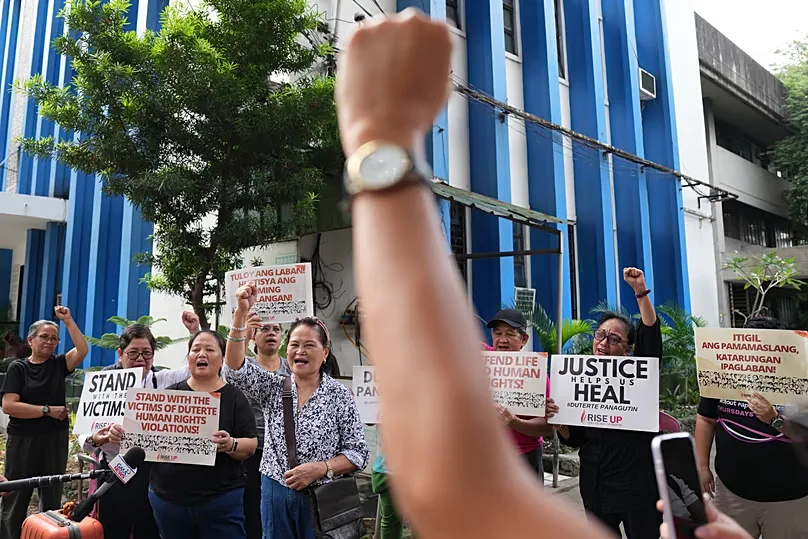
For the relatives of victims of the so-called "war on drugs", this is their opportunity to seek justice for their loved ones.
"This will definitely help in our healing process," said the Reverend Flavie Villanueva, a Catholic missionary priest in the Philippines who has been helping to provide food, access to toilets and spiritual counselling to around 300 needy relatives of suspects, mostly involved in petty crimes, killed in Duterte's crackdown.
Villanueva quoted many relatives of the dead suspects as saying: "There is that feeling that, finally, this is happening. We have waited for this for a very long time".
Philippines no longer recognises ICC
The Philippines withdrew from the court in 2019, after the then prosecutor, Fatou Bensouda, announced that she would open a preliminary investigation into allegations of extrajudicial executions in Duterte's anti-drug campaign. Nevertheless, the ICC still has jurisdiction over the alleged crimes committed before Manila withdrew from the court.
Human Rights Watch used the opening of Duterte's trial to highlight what it described as a failure by the current president of the Philippines, Ferdinand Marcos Jr., to prosecute domestically the crimes linked to the war on drugs.
Lian Buan, a South-East Asia researcher at Human Rights Watch, said in a statement that President Marcos's promise to hold the police to account for past and present abuses in his anti-drug campaign has been a failure. She said the Philippine government needs to make justice for all victims of the war on drugs a priority and to provide their families with appropriate redress.
Comments 0
No comments yet. Start the conversation.
Leave a comment