
How the body adapts to extreme heat
New methods could help vulnerable people acclimate to higher temperatures
Read the storyDiscoveries, evidence, and fieldwork that expand what we know about Earth and beyond.
New methods could help vulnerable people acclimate to higher temperatures
Read the story
Despite centuries of study, the phenomenon remains a sticky subject
Read the story
The thunderstorms in The Legend of Zelda defy earthly physics, but real storms cannot last forever, atmospheric scientists say. Earth’s weather systems redistribute heat, moisture and electrical charges, and even the strongest storms eventually fade unless constantly refueled. Some real-world phenomena, such as the Intertropical Convergence Zone and Venezuela’s Catatumbo lightning, come closer to persistent storms.
Read the story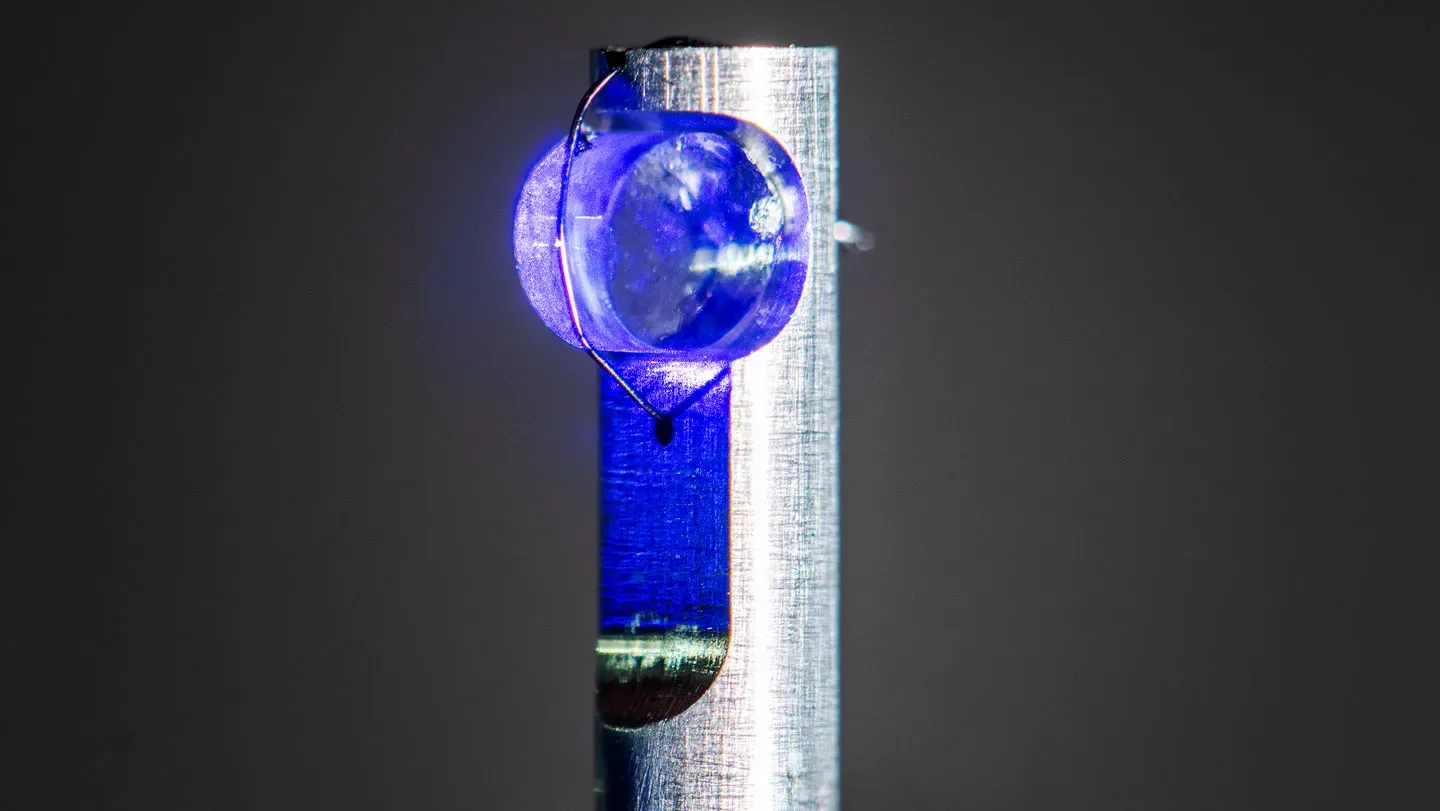
For the first time, scientists used an atomic nucleus as a clock. Two independent teams report nuclear clocks based on thorium-229 in calcium fluoride crystals. One team used its clock to search for dark matter, finding no signs, but estimated sensitivity to some dark matter types rivaled or beat atomic clocks. The work is early and papers have not been peer reviewed.
Read the story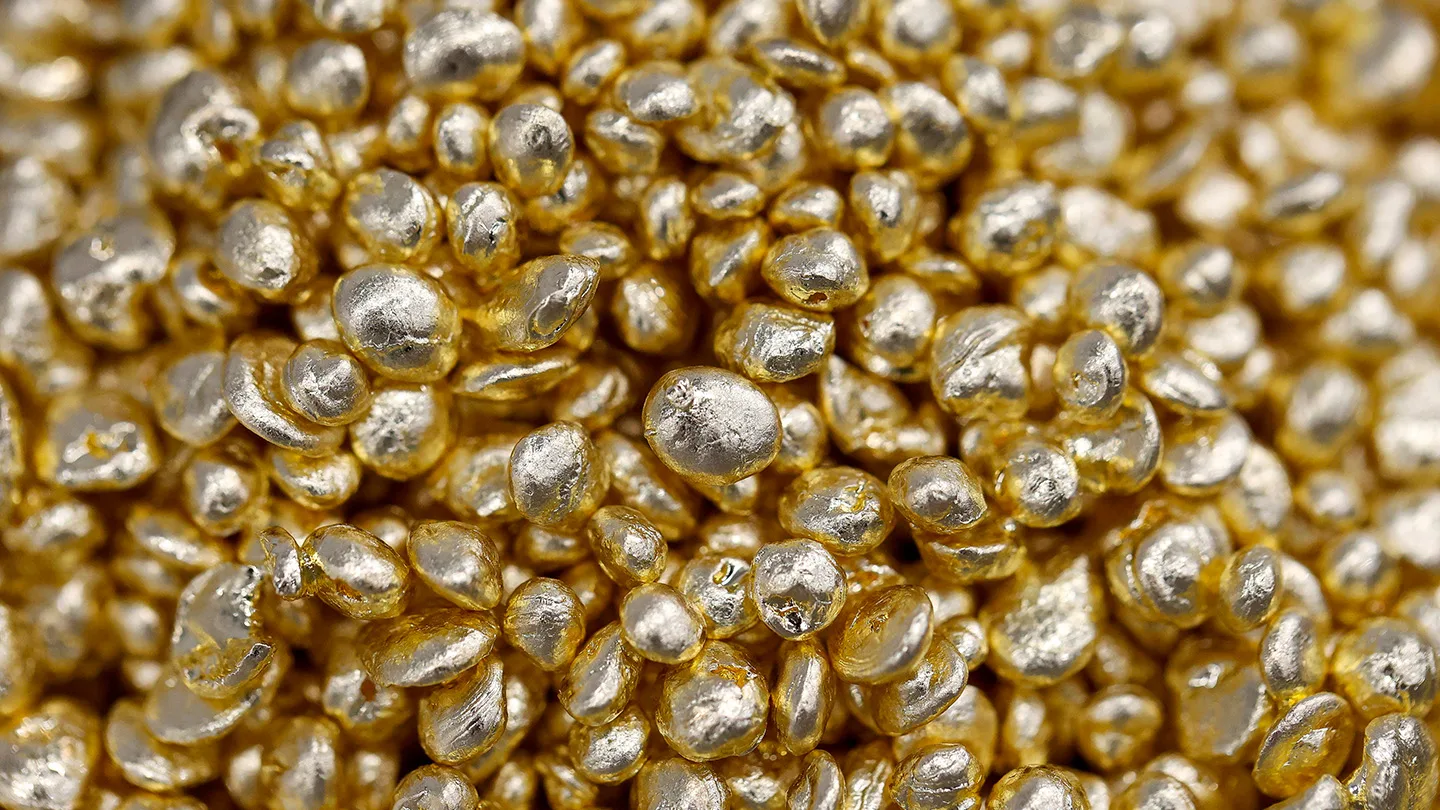
Atoms on gold’s surface rearrange into a geometry that hinders oxidation, quantum calculations indicate. Without that rearrangement, gold would begin to oxidize in seconds, researchers report.
Read the story
Microsoft says a materials swap improved a key topological qubit metric from milliseconds to about 20 seconds. Some physicists see progress; critics say the preprint does not prove a topological qubit or Majoranas.
Read the storyHave a story worth telling? Share a tip, a question or a perspective in the Feed.
Start a conversation