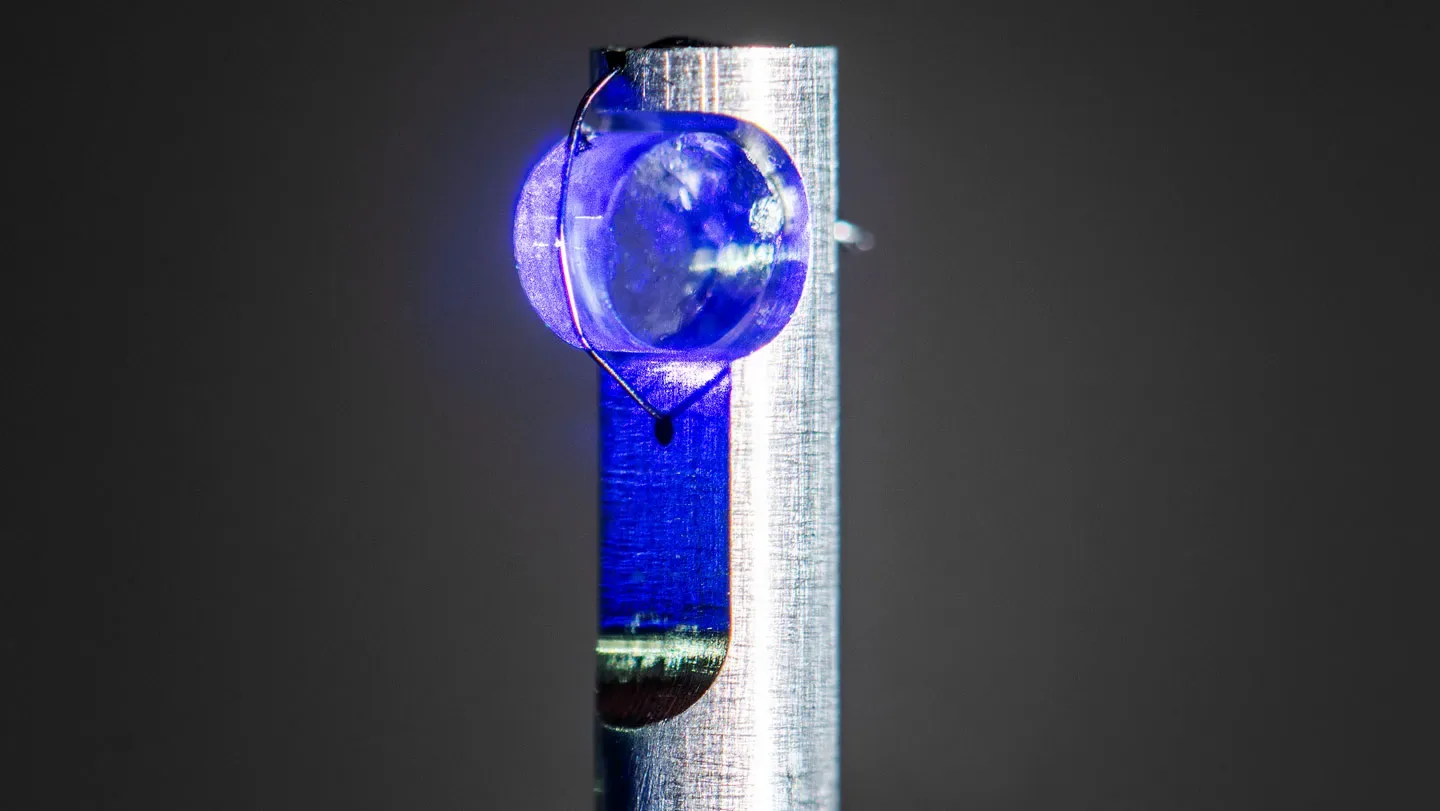
For the first time, scientists used an atomic nucleus as a clock. Two independent teams report nuclear clocks based on thorium-229 in calcium fluoride crystals. One team used its clock to search for dark matter, finding no signs, but estimated sensitivity to some dark matter types rivaled or beat atomic clocks. The work is early and papers have not been peer reviewed.
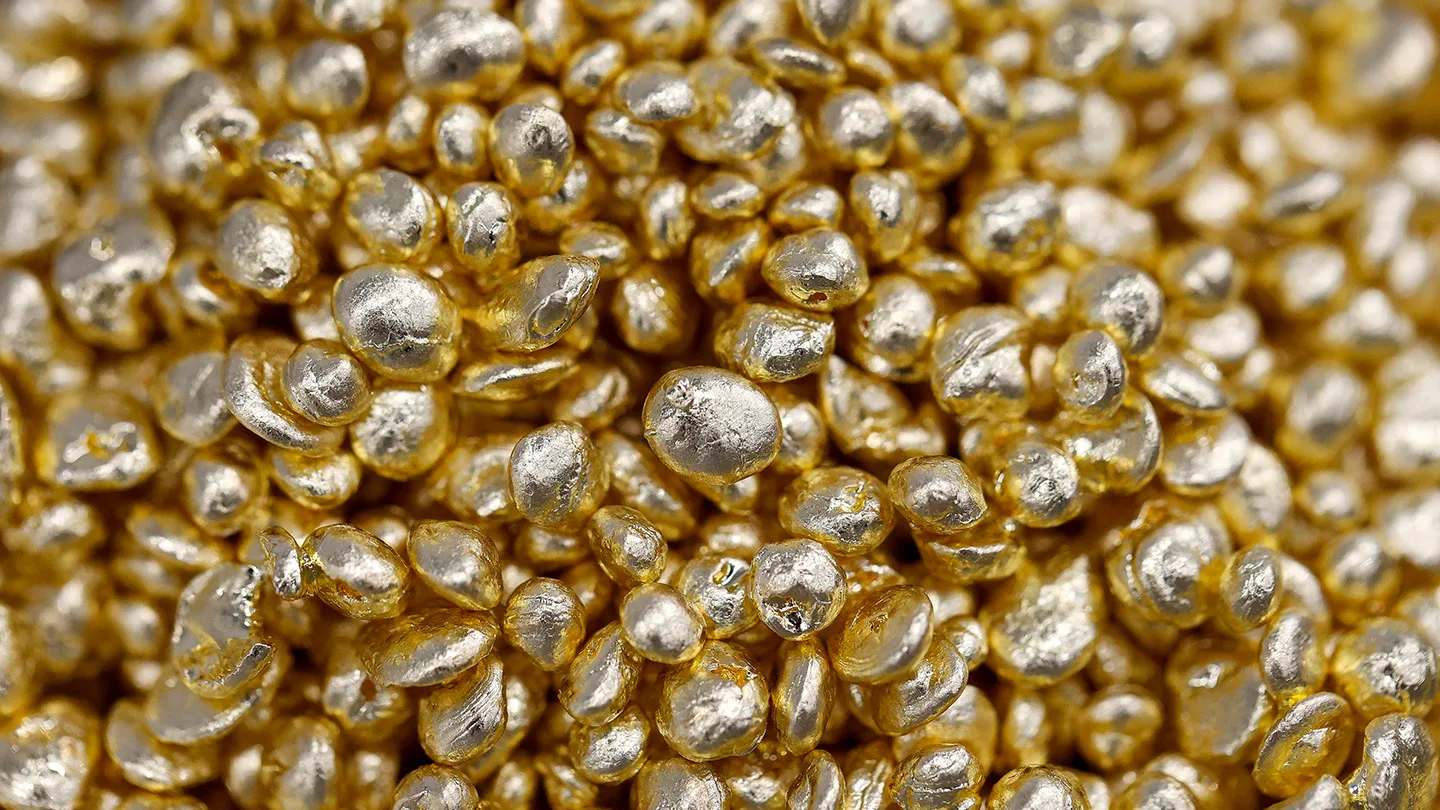
Atoms on gold’s surface rearrange into a geometry that hinders oxidation, quantum calculations indicate. Without that rearrangement, gold would begin to oxidize in seconds, researchers report.
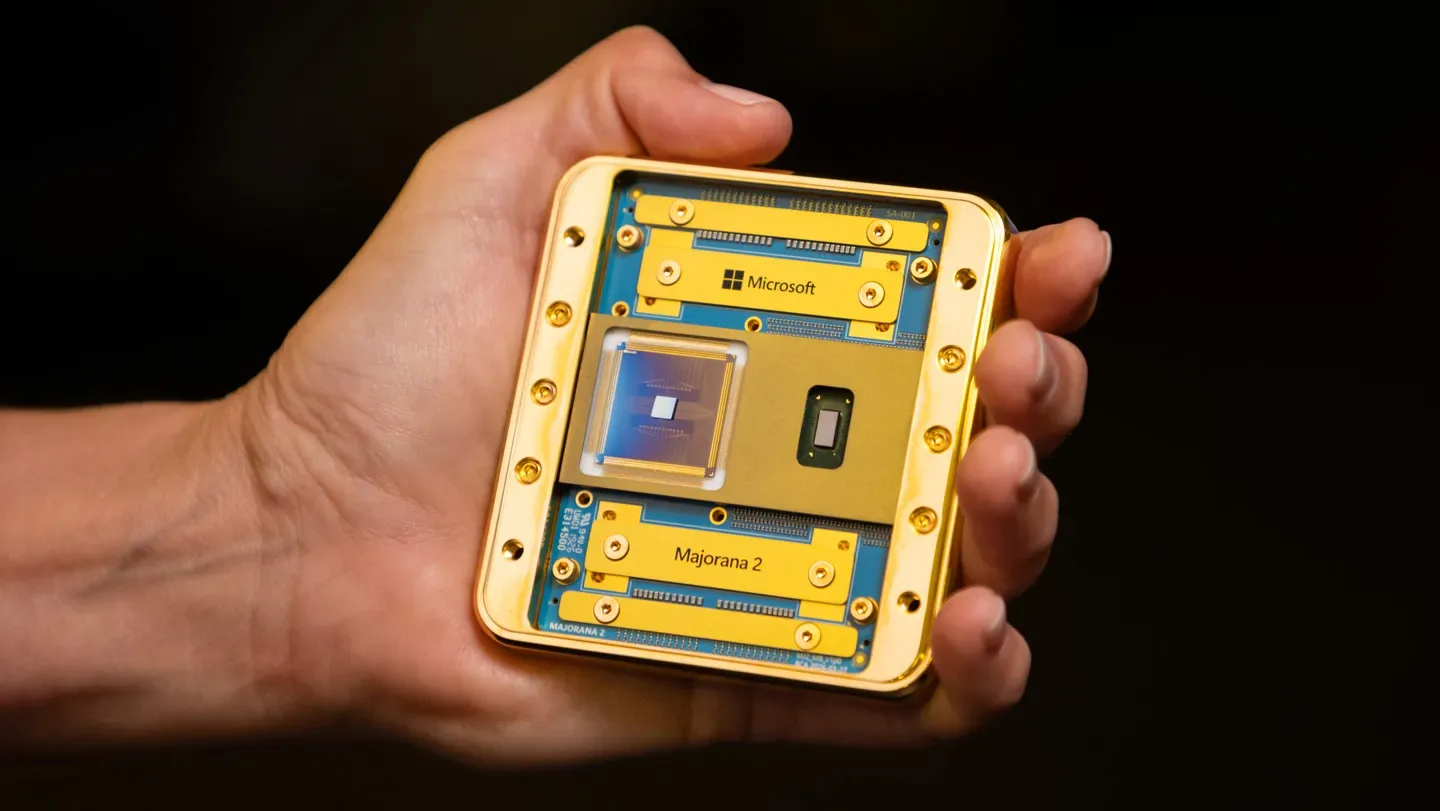
Microsoft says a materials swap improved a key topological qubit metric from milliseconds to about 20 seconds. Some physicists see progress; critics say the preprint does not prove a topological qubit or Majoranas.
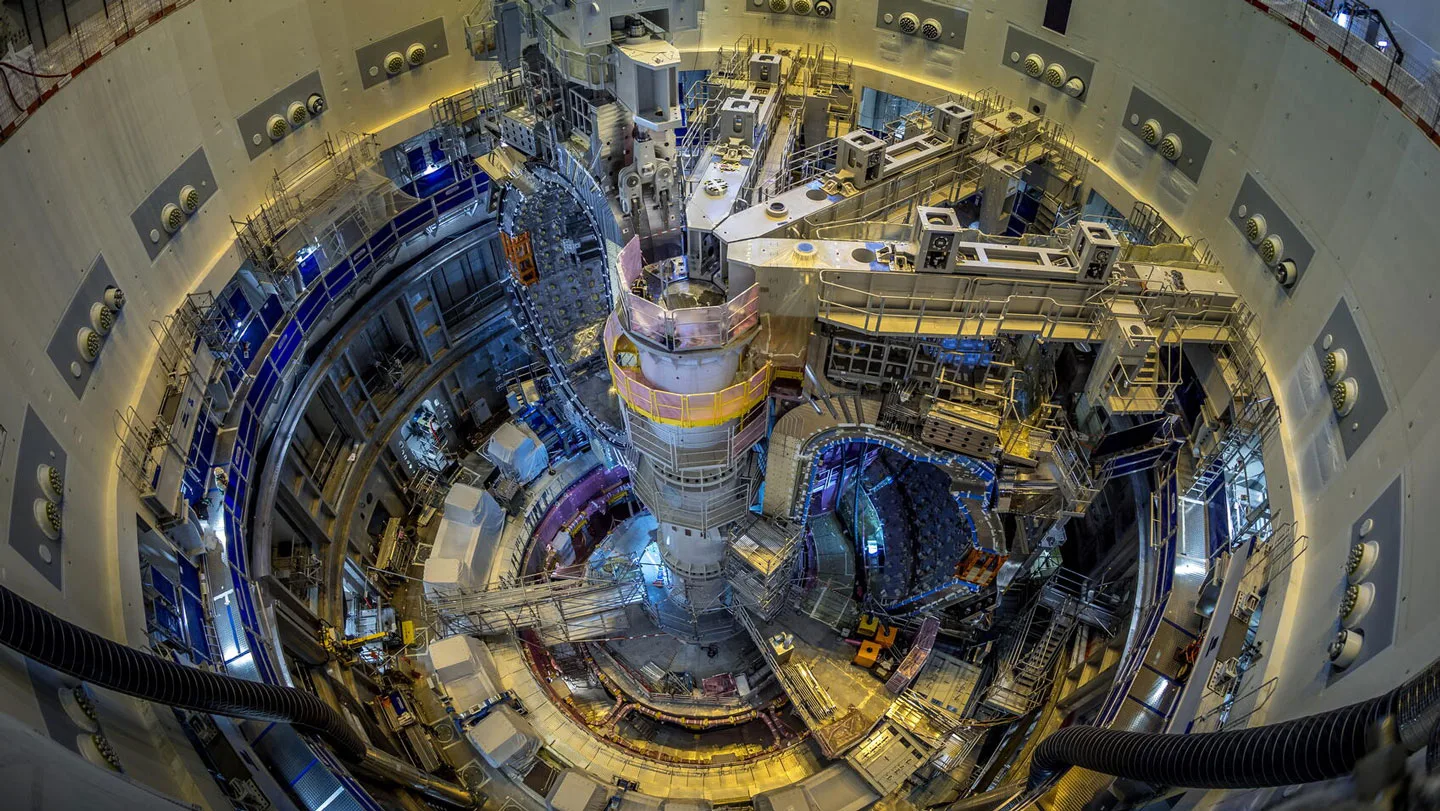
Simulations of ITER and SPARC suggest that alpha particles, once feared as a problem for fusion, could reduce small-scale turbulence and boost plasma heating, though uncertainties remain.
Fundamental particles of light act as waves. If a photon’s wave were disrupted by a rapidly removed mirror, calculations suggest, it could create multiple new photons—up to an infinite number under impossible conditions, and with different outcomes depending on perspective.
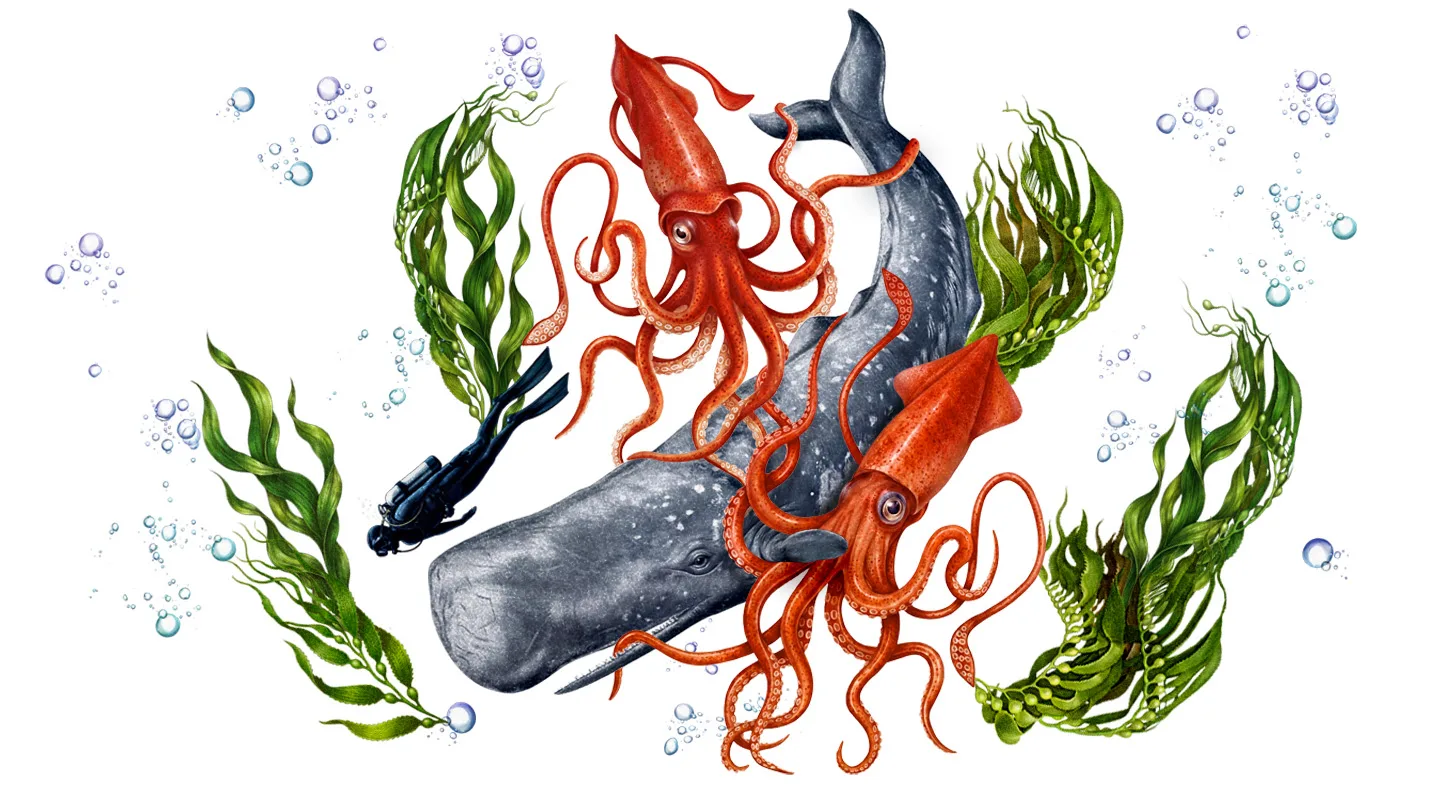
Technically, a very large sperm whale could accidentally swallow a person, but experts say the scenario is highly unlikely. Baleen whales’ narrow gullets and sperm whales’ feeding behavior and deep dives make it improbable; the only animal confirmed to swallow a human whole is the reticulated python.