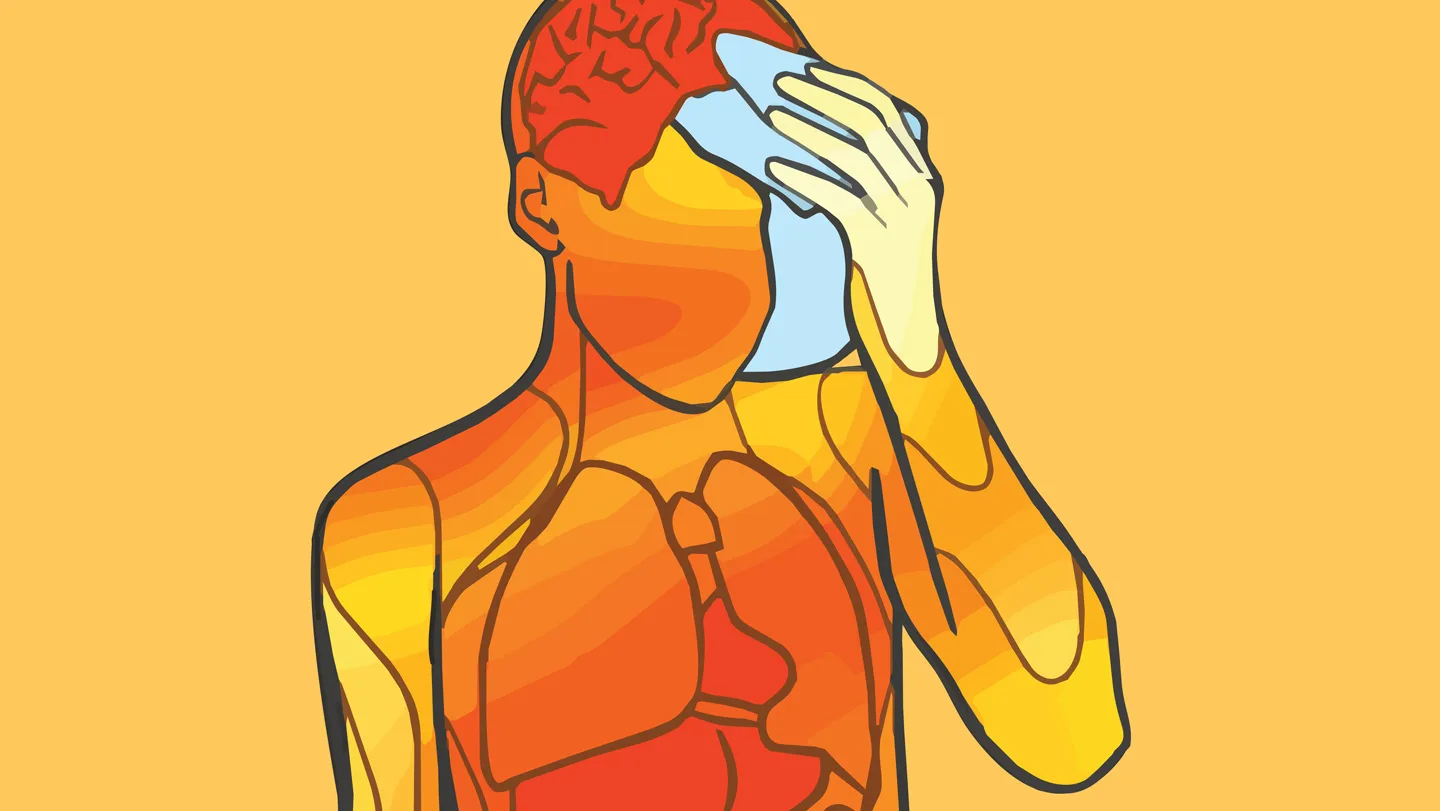
How the body adapts to extreme heat
New methods could help vulnerable people acclimate to higher temperatures
Read the story
Noah tracks artificial intelligence, privacy, open technology, clean energy systems and responsible innovation.
New methods could help vulnerable people acclimate to higher temperatures
Read the story
Despite centuries of study, the phenomenon remains a sticky subject
Read the story
Tesla’s halo sports car was first announced in November 2017.
Read the story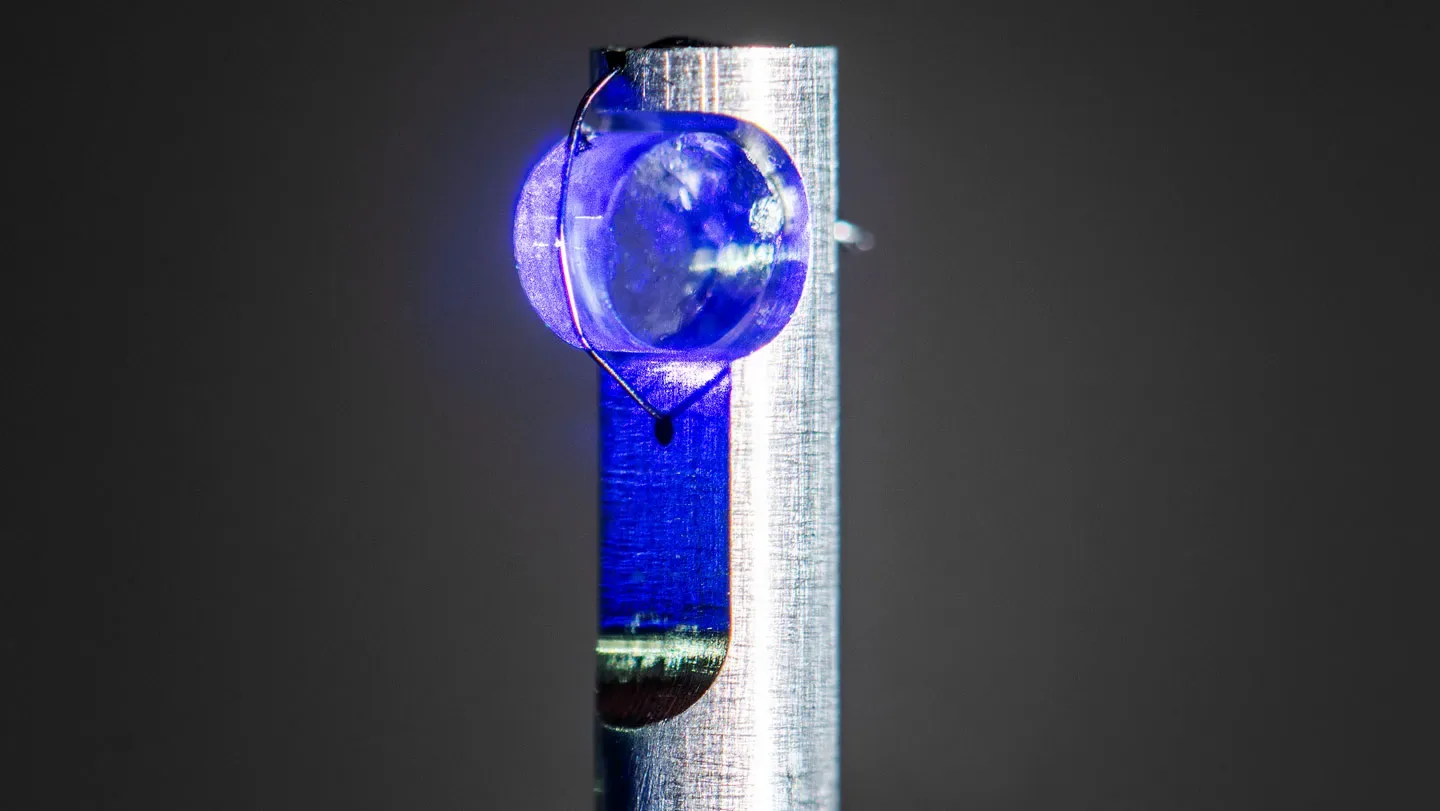
For the first time, scientists used an atomic nucleus as a clock. Two independent teams report nuclear clocks based on thorium-229 in calcium fluoride crystals. One team used its clock to search for dark matter, finding no signs, but estimated sensitivity to some dark matter types rivaled or beat atomic clocks. The work is early and papers have not been peer reviewed.
Read the story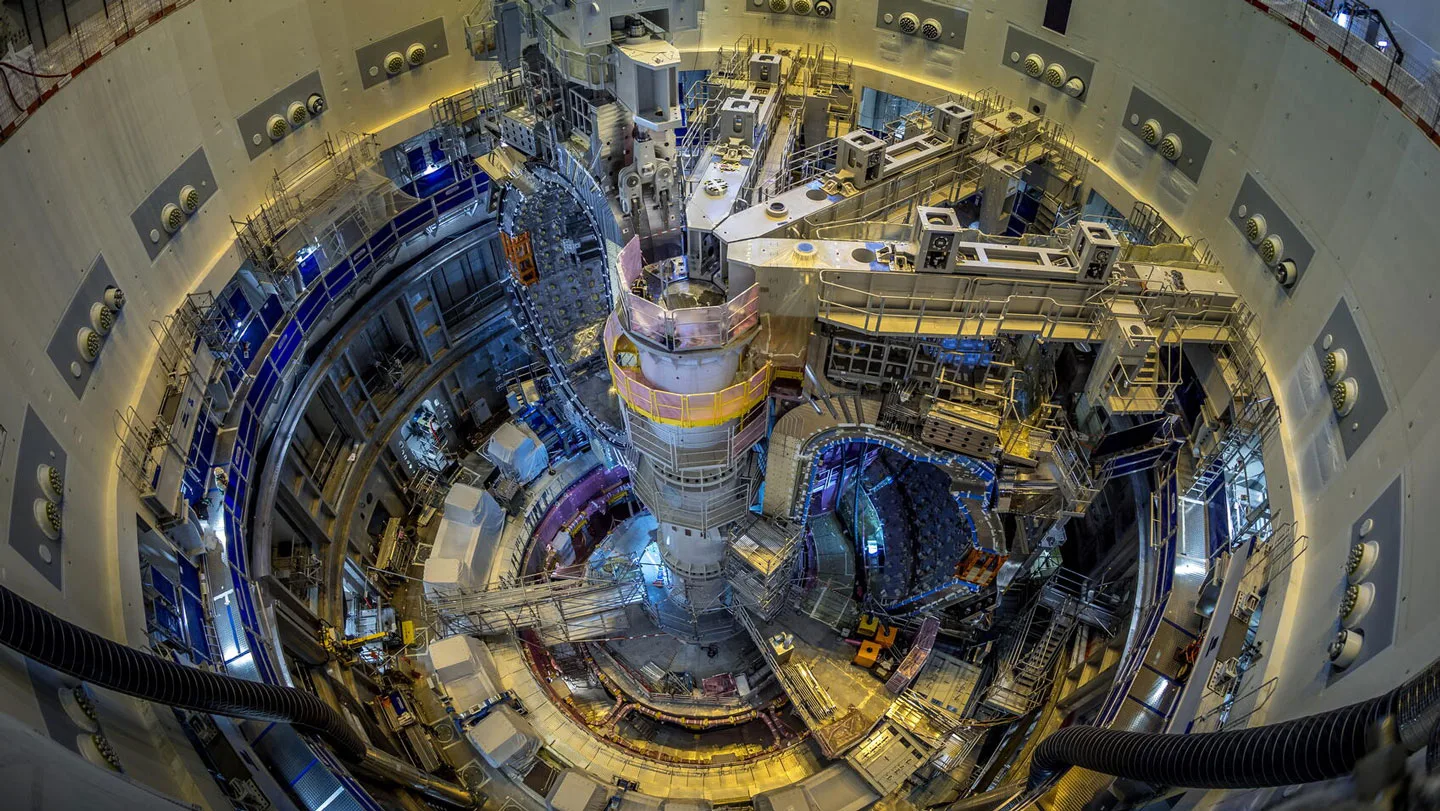
Simulations of ITER and SPARC suggest that alpha particles, once feared as a problem for fusion, could reduce small-scale turbulence and boost plasma heating, though uncertainties remain.
Read the story
Fundamental particles of light act as waves. If a photon’s wave were disrupted by a rapidly removed mirror, calculations suggest, it could create multiple new photons—up to an infinite number under impossible conditions, and with different outcomes depending on perspective.
Read the storyHave a story worth telling? Share a tip, a question or a perspective in the Feed.
Start a conversation