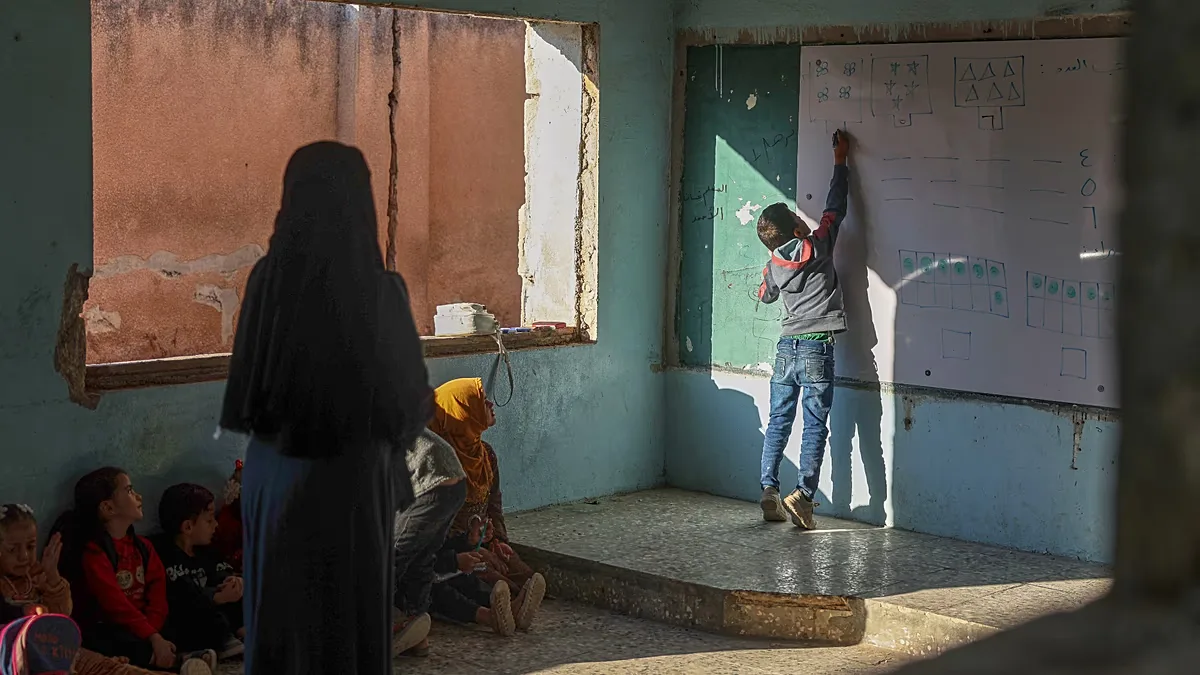
Changes were not limited to the texts; images and illustrations were also edited in Photoshop, adding hijabs or long robes to female figures, deleting women's photos, and covering or replacing statues, sculptures and artworks.
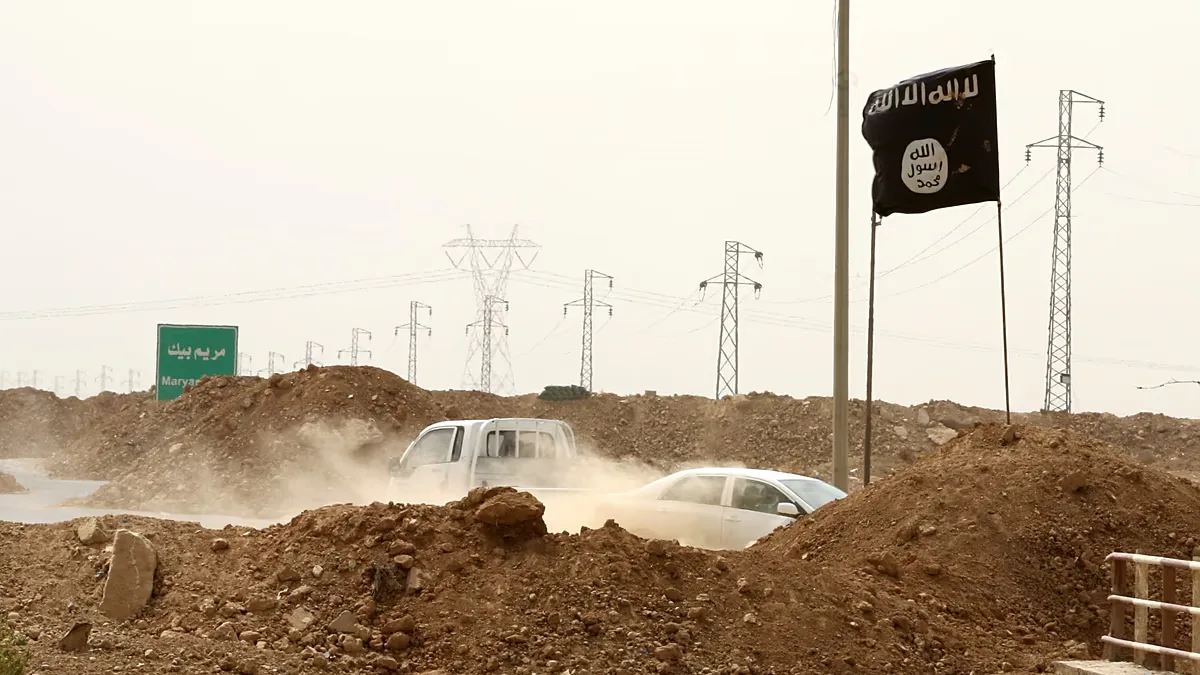
The men were deemed "particularly dangerous because of their role in threatening Iraq's national security, destabilising Iraq and Syria, and their involvement in inciting terrorist operations in other countries," a court statement said.
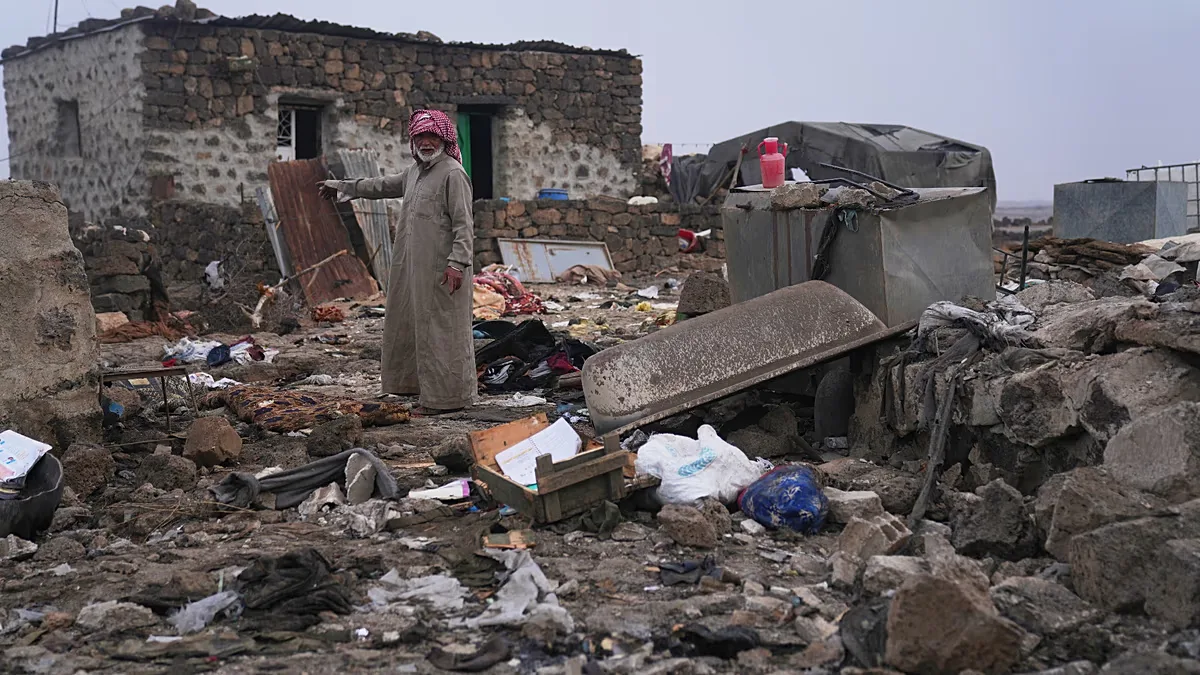
A government spokesperson said Jordan had "avoided" civilian sites and that it regretted "unintended casualties," stressing that the country had "deep respect" for the Syrian state and people.
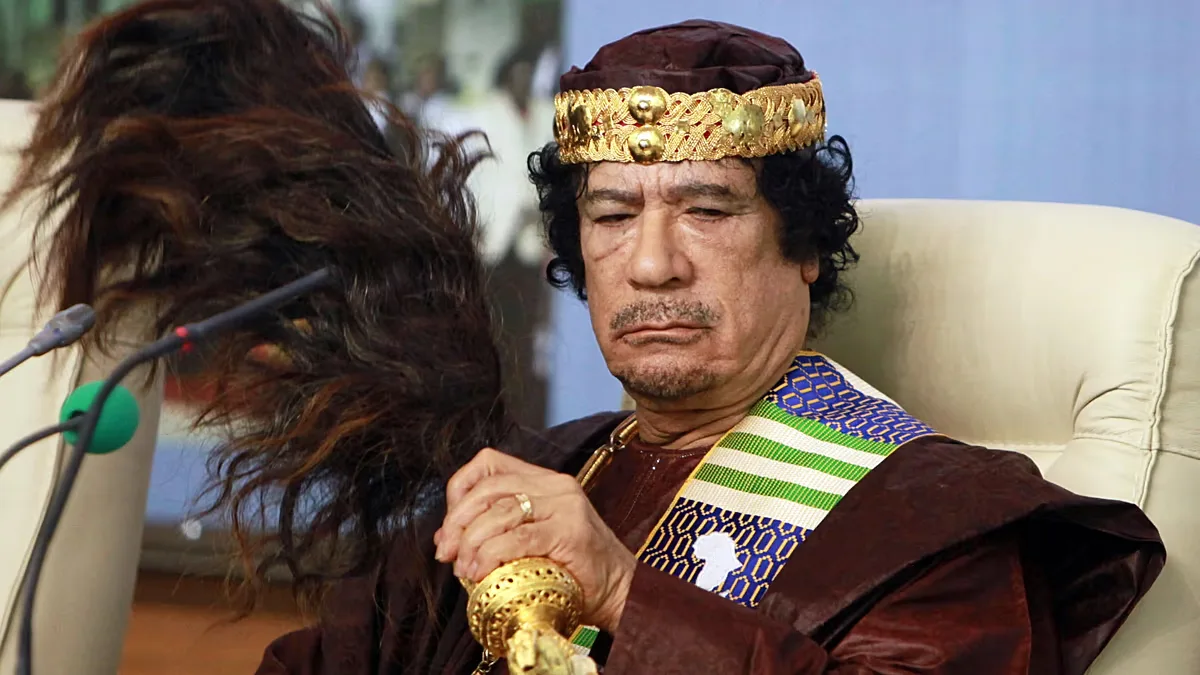
Tripoli intercepted 100,000 tablets bearing the late Libyan leader's image shipped via Europe in a Renault Master van, while Benghazi's investigators separately seized captagon tablets assessed to have originated in Syria, where the al-Assad regime once industrialised the billion-dollar trade.
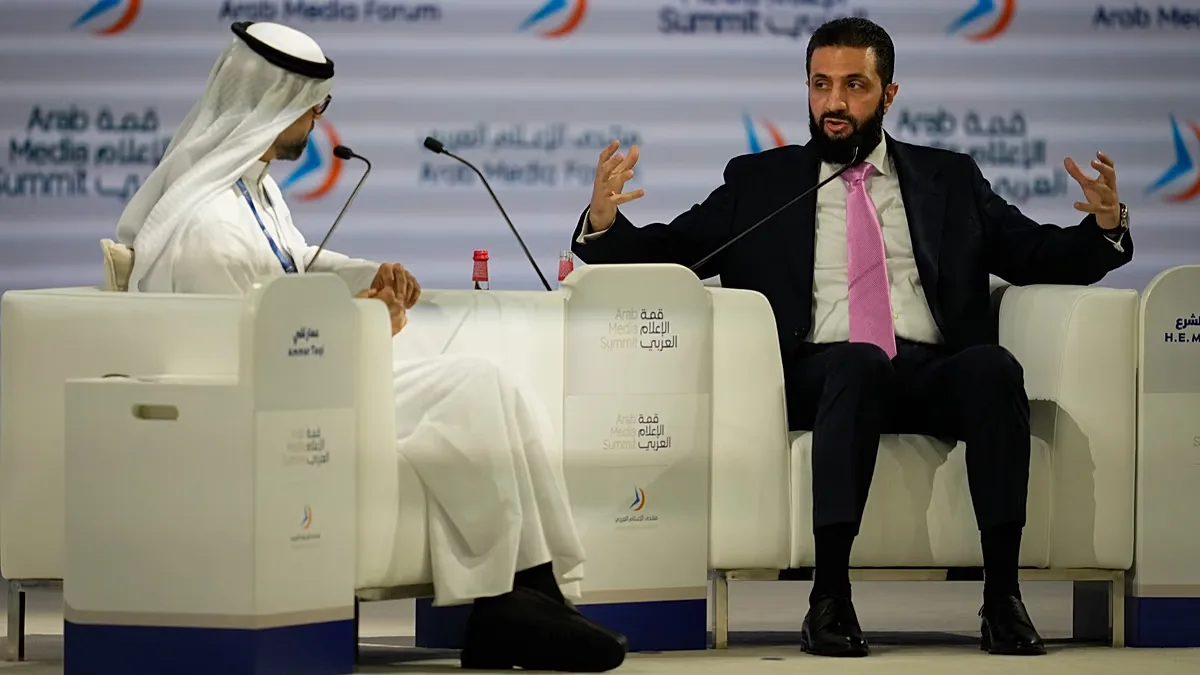
Answering a Euronews question at the Arab Media Summit in Dubai, Syria's president said he hoped the situation "remains stable" but admitted "nobody can predict" what happens next, while urging Arab countries to work together.
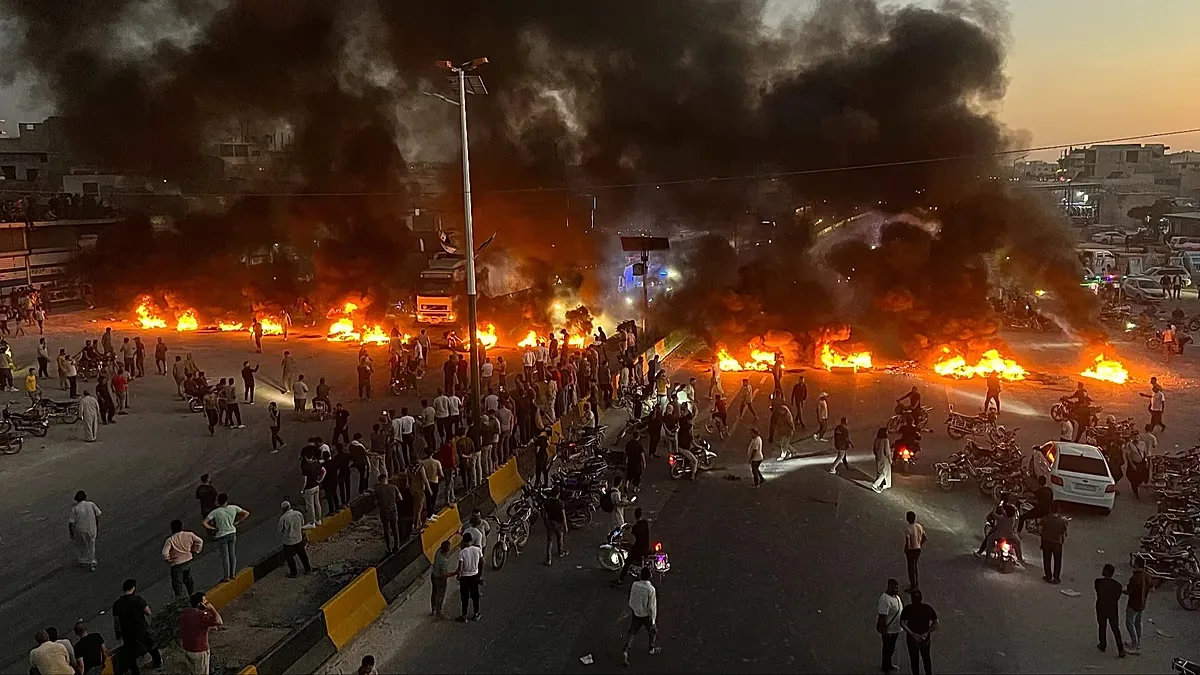
Demonstrators blocked oil tanker routes and roads in six provinces on the second consecutive day of unrest over a 25–40% fuel price rise, as more than 50 MPs signed a demand to question the energy minister.