
Adapted from previously published coverage.
Wizards of the Coast, a Hasbro subsidiary and the publisher of popular tabletop games Magic: The Gathering and Dungeons & Dragons, has filed a massive lawsuit against a provider of proxy Magic cards, PrintMTG Enterprise, seeking more than $28.6 million in damages.
Proxies are replicas of Magic cards printed to resemble real items. Although they are not allowed in official tournaments, proxies are still somewhat popular in casual play, especially within the Commander format. Notably, Premodern, a format that includes cards from 1995 to 2003 and is steadily growing in popularity, allows proxy cards in some tournaments.
Wizards of the Coast cracks down on counterfeit Magic cards
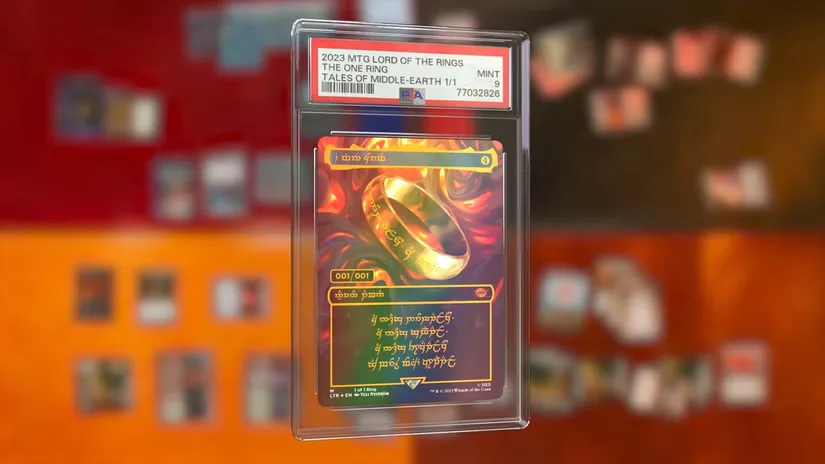
However, while some Magic players are already concerned about a possible visit from the Pinkertons, things aren't as bad as they seem. Wizards is not suing PrintMTG Enterprise for producing proxy Magic cards, but for marketing their products as proxies "to lend them a veneer of legitimacy while actually plying a business built around the sale of counterfeit cards," the lawsuit reads. The distinction is important: "An honest proxy is a stand-in for a real card that makes no claims to authenticity, by appearance or otherwise." On the other hand, "A counterfeit is made to be mistaken for the real card and to take its place as something owned, traded, or sold."
According to the lawsuit, PrintMTG Enterprise operates as "a complex and sophisticated network of individuals and shell corporations," whose purpose is to profit from counterfeiting and trademark and copyright infringement. One of the websites operated by the group, ProxyKing.biz, states: "At Proxy King we try to make our proxies as realistic as possible. This lets you join games and play without people noticing you are running proxy cards in your Magic deck."
Magic has expanded quickly in the last few years to become a massive business built on the value of its collectibles. The game is also Hasbro's main revenue driver; in the third quarter of 2026, Magic surpassed $600 million in quarterly revenue for the first time. In a global trading card industry estimated at around $15 billion, Magic ranks second, behind the Pokémon Trading Card Game. While Wizards does not sell single Magic cards, the secondary market still drives the company's product sales. Counterfeits thus hurt the Magic business as a whole, the lawsuit claims. It's not surprising, then, that Wizards isn't going to look the other way when it comes to a counterfeiting network.
However, the lawsuit also makes it clear that the company doesn't have an issue with proxies: "Wizards recognizes that private and noncommercial proxying is a vehicle players use to further engage with the game, not to undermine it." Proxies are important, especially for formats like Vintage or Premodern, where older, expensive cards are very popular. It's understandable that players may not want to sleeve up and shuffle their Black Lotus for a Vintage match at the local game store.





Comments 0
No comments yet. Start the conversation.
Leave a comment