Adapted from previously published coverage.
More US women are taking menopause hormone therapy, new prescription data suggest.
Monthly dispensing of hormone therapy for women aged 40 to 74 more than doubled since 2023, rising from 2 million to 4.9 million, researchers report November 19 in JAMA. The analysis of US pharmacy dispensing data found that the increase began in 2024. It continued in 2025, both before and after the Food and Drug Administration's November removal of the black box warning from packaging, and into 2026.
Although the data in the new study are aggregate, the researchers used population data to estimate the dispensing rate for this age group, which rose from 28 prescriptions per 1,000 women to 67 prescriptions per 1,000 over the period studied.
The new study was not designed to determine what is behind the increase. It is possible that evidence on the safety and effectiveness of hormone therapy for treating menopause symptoms such as hot flashes is reaching more women. Medical groups such as the Menopause Society have recommended menopause hormone therapy for women with symptoms who are younger than 60 or within 10 years of the start of menopause, in the absence of certain risk factors including prior breast cancer and stroke.
"Greater attention to women's health, updated medical guidance supporting individualized menopause hormone therapy and social media may all be contributing to increased interest," says Dana Sarnak, who studies sexual and reproductive health at Johns Hopkins School of Medicine. Anecdotally, her clinician colleagues report more patients seeking menopause care, she says.
Many women and physicians turned away from hormone therapy in the early 2000s after a large study called the Women's Health Initiative raised safety concerns, which were later considered overblown. Research since then has provided a more nuanced understanding of the benefits and risks of menopause hormone therapy at different ages.
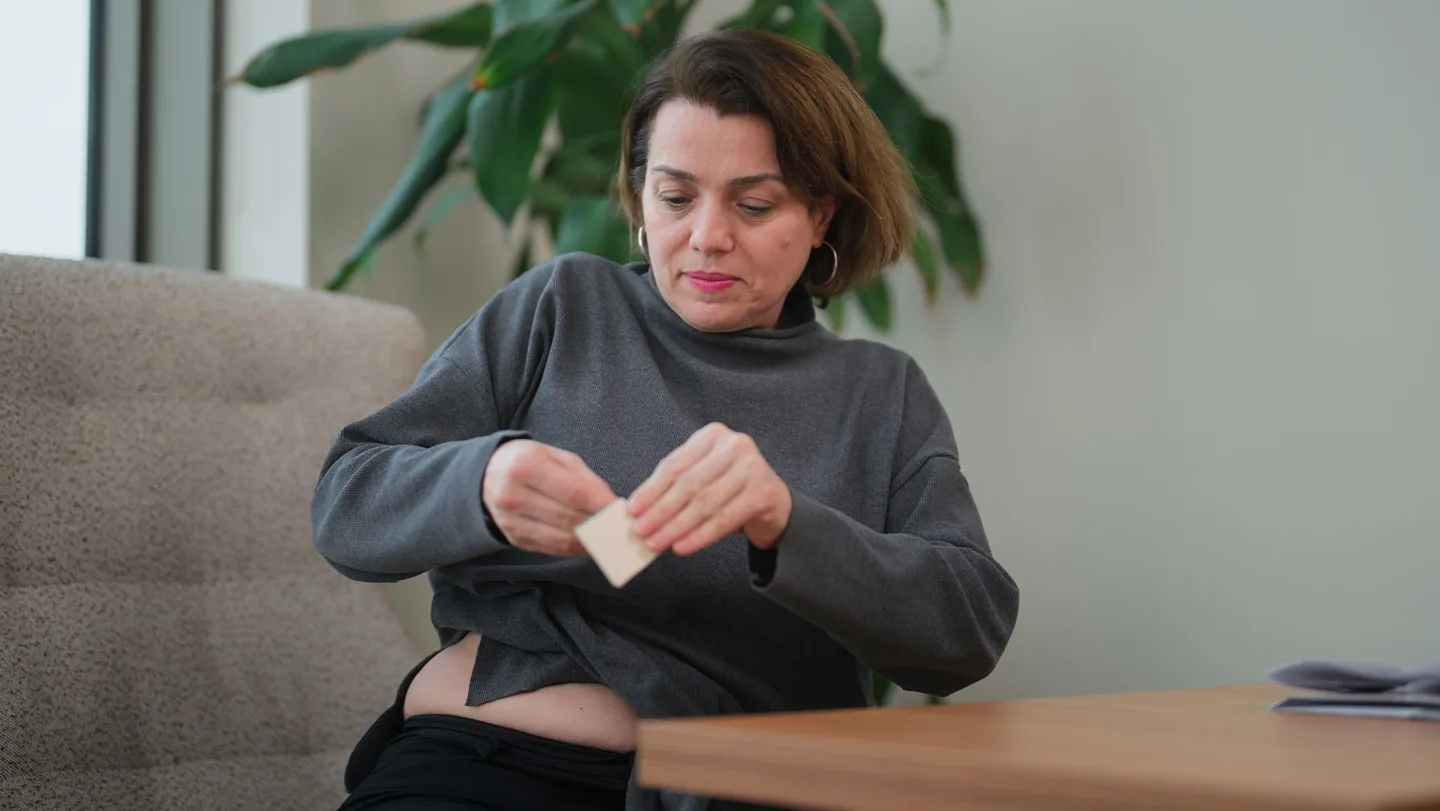
There are safer formulations, including patches and gels, of estrogen today than at the time of the Women's Health Initiative, for which participants took a pill. The new study found that product use increased for transdermal and vaginal estrogen and for progesterone products — women who have their uterus need to take progesterone along with estrogen. The use of oral formulations remained stable. There has been a shortage of estrogen patches in the United States this year, which the US Food and Drug Administration attributes to increasing demand.




Comments 0
No comments yet. Start the conversation.
Leave a comment