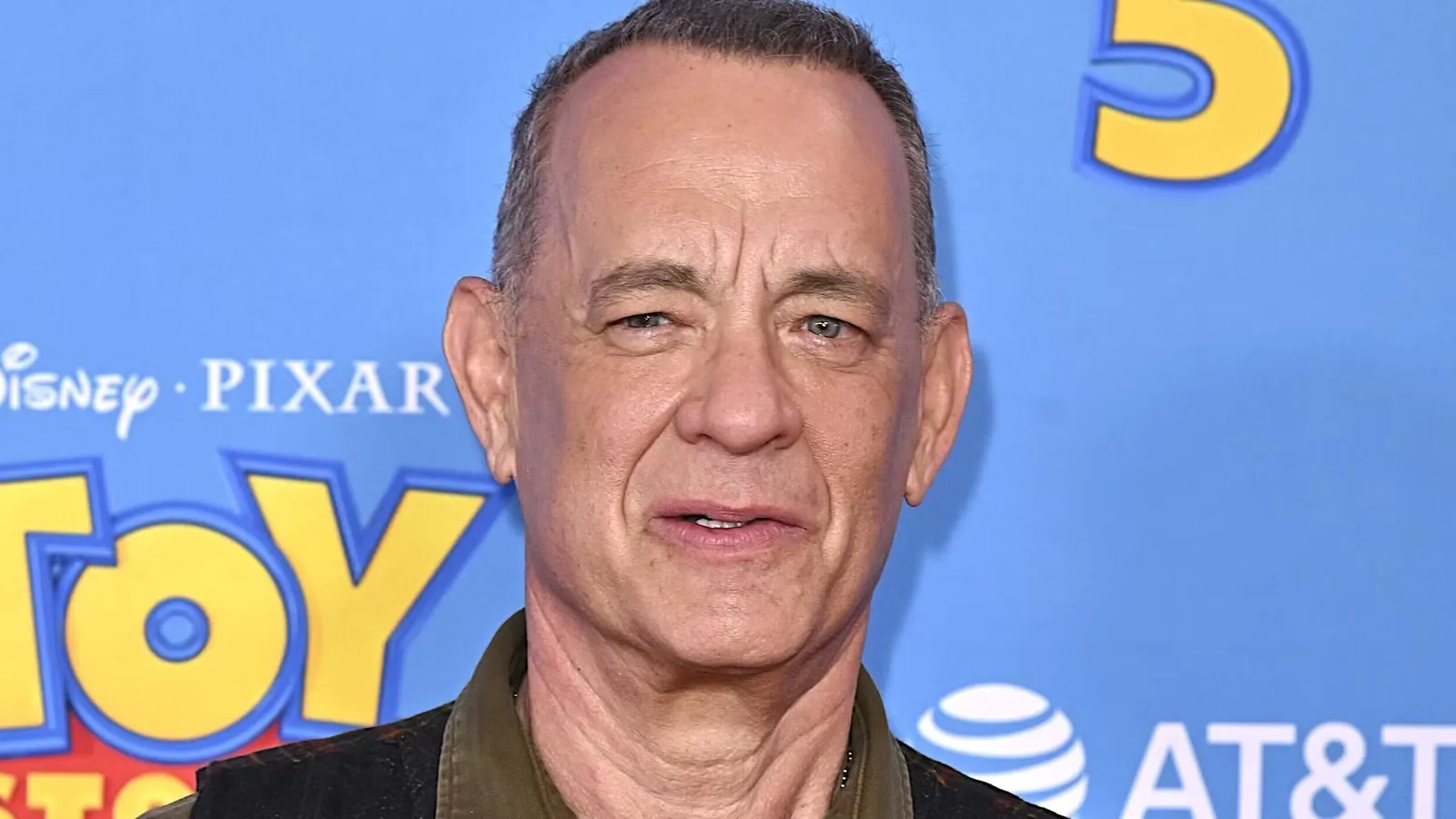
Over the course of his decades-long career, Tom Hanks has easily become one of the biggest mainstays in Hollywood. While he hasn't taken over the big screen much recently, Hanks continues putting out projects that fans just can't get enough of, both in front of and behind the camera. Just a month ago, for example, Finch was trending on Apple TV. Now another huge Hanks film is about to leave Netflix, alongside several interesting titles.

This particular film stars Hanks as Harvard symbologist Robert Langdon. It's a mystery-thriller novel by Dan Brown, and the 2009 film adaptation is directed by Ron Howard. The film follows Hanks' character Langdon and a scientist race through Rome to stop the ancient Illuminati from destroying Vatican City with a stolen antimatter bomb and murdering kidnapped cardinals.
The title of the film is Angels & Demons, and it's leaving Netflix on November 1. The film was released after The Da Vinci Code, also based on Dan Brown's book series. That's sometimes confusing because in the books, Angels & Demons (2000) was written first and serves as Langdon's first chronological adventure, while The Da Vinci Code (2003) is the second book. In the movies, though, the release order was flipped. The Da Vinci Code hit theaters in 2006, and its sequel, Angels & Demons, was released in 2009. In 2016, another film adaptation of the same series came out, and it was titled Inferno. The same book series is now getting a series adaptation at Netflix starring The Gilded Age's Morgan Spector.
Why Did the Movies Skip 'The Lost Symbol' and Jump Straight to 'Inferno'?
In Dan Brown's novel series, the third book was called The Lost Symbol, but there has been no film adaptation of that novel. Instead, they jumped to Inferno, which is also the title of the fourth book. As far as why The Lost Symbol never got actualized is concerned, Sony actually developed it as the third Tom Hanks movie and commissioned scripts, but Ron Howard later said they could never quite crack the adaptation.
He felt its Washington, D.C. setting, Freemason conspiracy, and puzzle-driven structure were too close tonally and thematically to The Da Vinci Code and Angels & Demons. Hanks expressed essentially the same concern. When Brown published Inferno in 2013, Howard thought its Dante-inspired mystery, amnesia setup, and global biological threat felt like a more cinematic progression, so Sony skipped ahead and released it in 2016.




Comments 0
No comments yet. Start the conversation.
Leave a comment