!['Interview With the Vampire' Director Officially Claims Even James Cameron's CGI Looks Wrong [Exclusive]](/api/media/file/collider-35725c4231b40ee1d498-0.webp)
There are very few filmmakers who have pushed visual effects further than James Cameron, but Neil Jordan still isn't entirely buying what his eyes are being shown. The director made Interview with the Vampire at a time when physically building an environment wasn't one option among many; it was the only option. If Jordan wanted something in front of his camera, somebody generally had to put it there. That has helped the film age remarkably well, particularly now that its elaborate production design can be seen through a new 4K restoration.
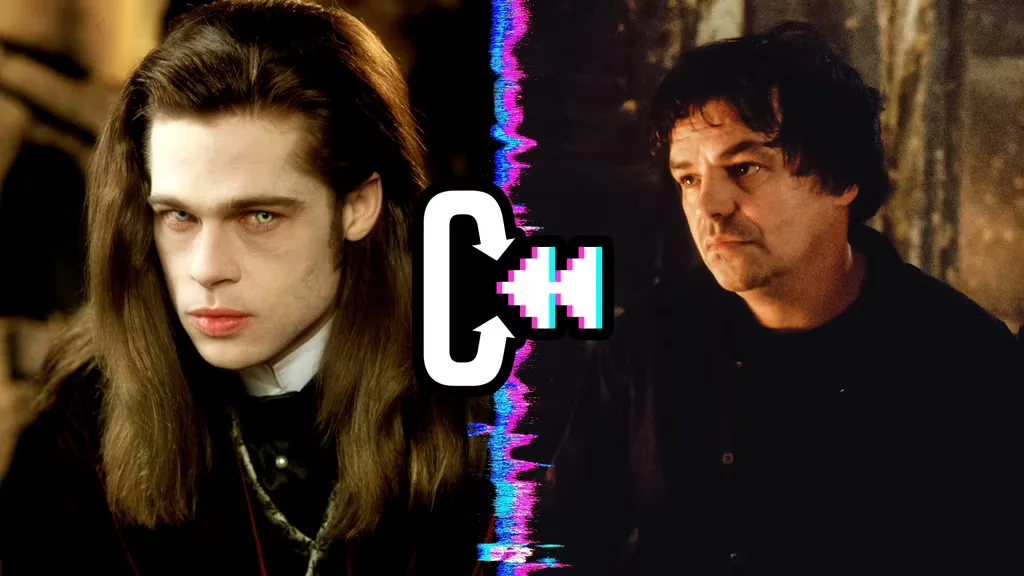
Speaking exclusively with Collider for our retrospective series Collider Rewind, Jordan argued that digital filmmaking still struggles with something deceptively simple: reproducing the way the human eye perceives real objects moving against real backgrounds. "It's weird, isn't it? You're constantly seeing things that don't exist, and your eye tells you they don't exist," Jordan told Collider. "I don't believe any digital system can approximate to a moving camera moving through landscapes, or parallax, and the way the eye sees things against backgrounds and all this. I don't think they've figured out the geometry correctly yet."
And Jordan doesn't think the problem is limited to cheap visual effects. He says he can see it even when watching work from filmmakers operating at the absolute top of the field. "I even see it in the great ones. Even in James Cameron movies, I'm like, 'Oh, come on, I see there's something wrong with the way the background's moving on that stuff,'" said Jordan. "I don't want to be criticizing anybody. But it was great to be able to make this movie when you hadn't got the entire range of CGI possibilities at our disposal. Everything we shot had to happen in front of us, basically."
Neil Jordan Thinks Audiences Are Starting to Want Reality Again

For Interview with the Vampire, that meant constructing the environments that Louis, Lestat, and Claudia actually inhabited. The budget went to practical sets, Gothic manors, Southern plantations, and it felt real and visceral. Jordan mentioned watching a show lately that had been patched together digitally, and felt it took him out of the moment. He told Collider:
“We made all of those. They were all constructed. They were all there. They all existed. I see things nowadays and it’s just weird. I was watching some TV series set in London. I know London. I know none of those streets exist. They’re combining bits of this and that and characters are walking through, and I’m going, ‘I can see the cut and paste. I can see the joints. I can feel it.’ I think people are getting back to wanting things to be real, and the documentary aspect of filmmaking to be as important as it once was.”
For Jordan himself, he's not just nostalgic about what he feels has been lost, because he's actually said that returning to a more physical production process could determine whether he even wants to direct another movie. "It's a horrible temptation for filmmakers. I haven't made a movie for, what, two years? But if I can't get back to the reality of the process, I don't think I'm actually going to make another one," said Jordan. "You're asked to make a movie in New York, you end up shooting it in Hungary or something. It's like, come on, I'm not doing that anymore. Seriously."
Interview with the Vampire is available on 4K UHD. Stay tuned for more from our latest installment of Collider Rewind.

![Tom Cruise's Unmade 'Interview With the Vampire' Sequel Still Exists [Exclusive]](/api/media/file/collider-325a87c7fcb7033f9f48-0.webp)
![Kid Cudi's New Horror Movie Is Officially in Production With Barbie Ferreira [Exclusive]](/api/media/file/collider-a9b7755694b4152a312d-0.webp)

![‘Interview with the Vampire’ Director Officially Reveals What He Saw “Behind” Tom Cruise’s Famous Smile [Exclusive]](/api/media/file/collider-922606aeee7e60e8f77f-0.webp)
Comments 0
No comments yet. Start the conversation.
Leave a comment