Barely-there particles called neutrinos just got caught acting even more ethereal.
With tiny masses and no electric charge, the subatomic particles rarely interact with anything, making them difficult to detect. Scientists have now spotted neutrinos with lower energies than any they've seen before. And they did it using a detector meant for another purpose entirely.
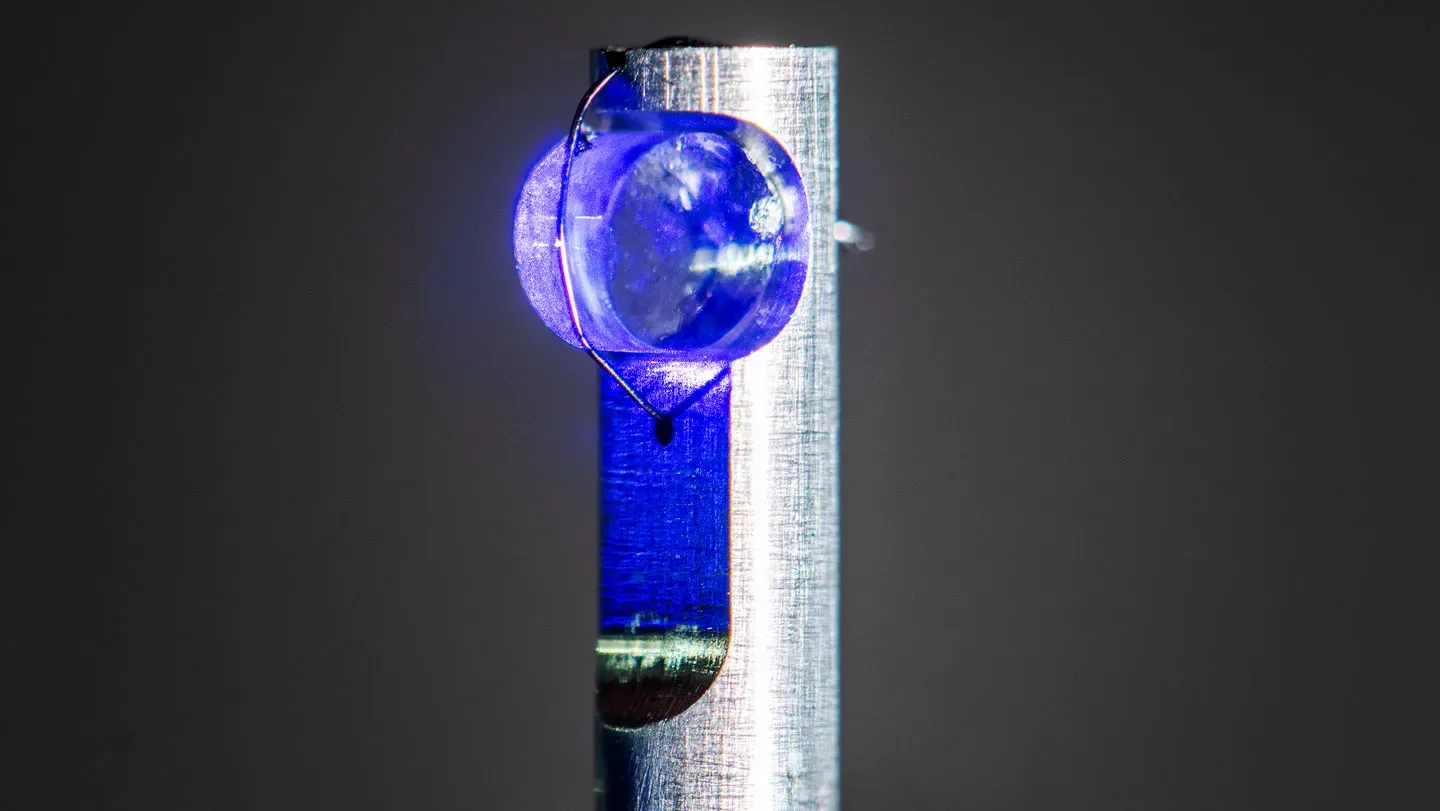
XENONnT, at the Laboratori Nazionali del Gran Sasso in Italy, is designed to search for dark matter, the mysterious substance that is needed to explain the behavior of galaxies across the universe. It has yet to find any — although a similar detector has seen a tantalizing hint. What it has found, instead, are neutrinos — hundreds of them, researchers report in a paper submitted August 29 to arXiv.org.
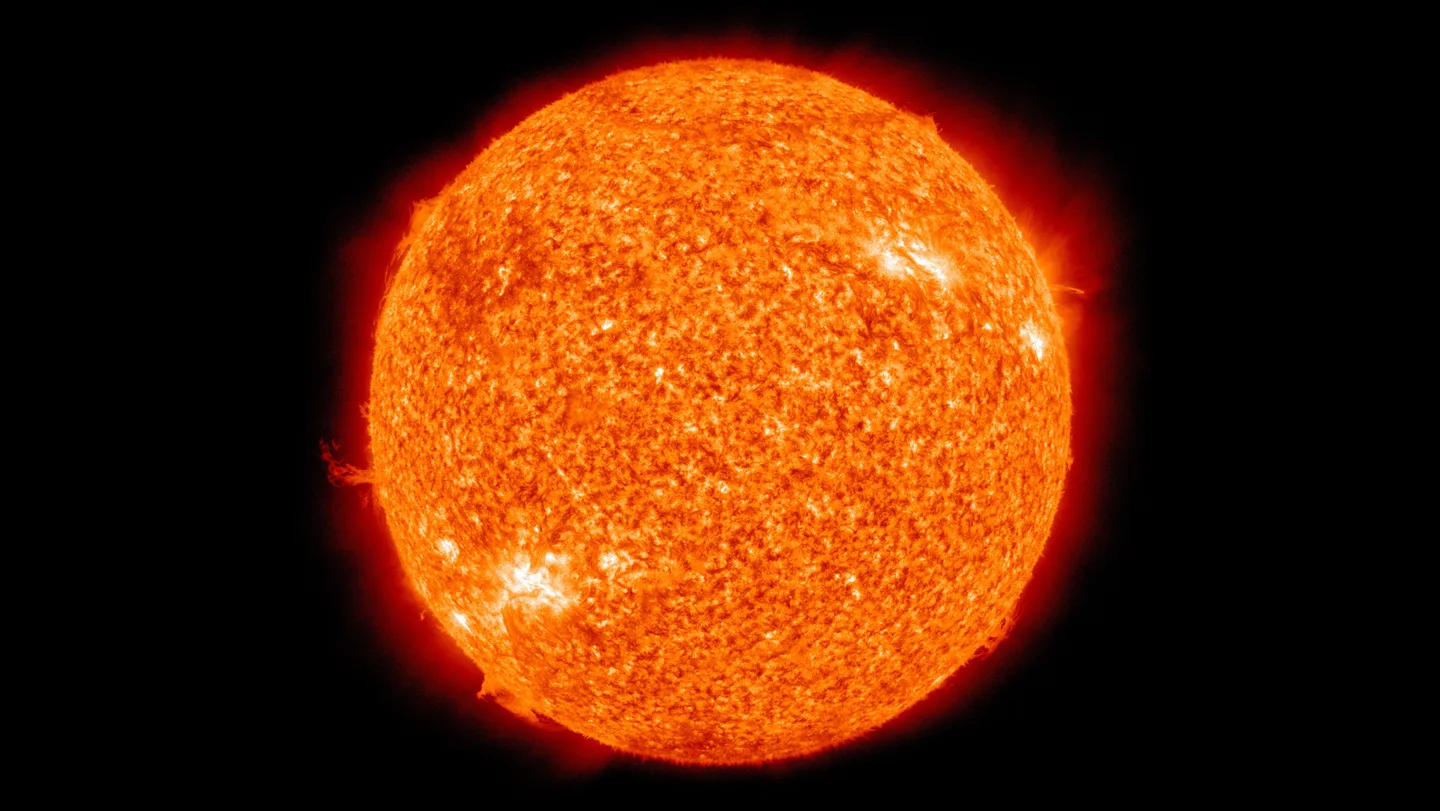
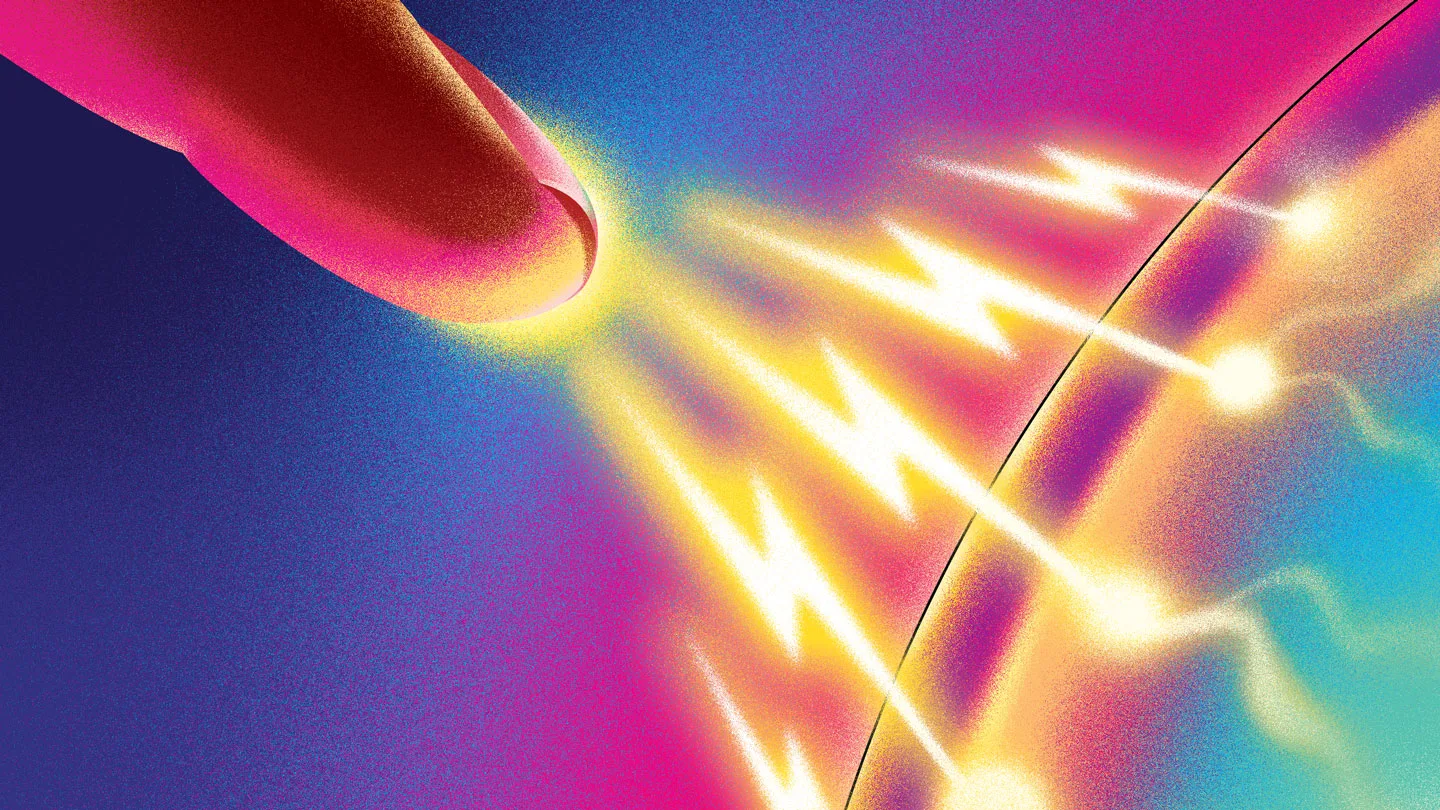
Neutrinos are born in vast numbers in the sun — about 100 billion of them pass through your thumbnail every second. Some of those solar neutrinos are expected to interact in XENONnT. So the researchers went neutrino hunting. The team found evidence of neutrinos smacking into electrons within the detector, producing light that revealed their presence. It's the first time a dark matter detector has spotted neutrinos based on their electron-jostling antics. The detection met a statistical benchmark of 5 sigma, which physicists typically consider the threshold for a definitive detection.
Other dark matter detectors have seen hints of this process. In July, PandaX-4T, at the China Jinping Underground Laboratory in Liangshan, saw evidence of low-energy neutrinos, but at a statistical significance of about 2.2 sigma — not enough to make the detection a sure thing.
The neutrinos have energies as low as 17 kiloelectron volts. That's about a tenth the energy of the wimpiest neutrinos previously detected. The newfound low-energy neutrinos are produced in the main fusion reaction that powers the sun, in which two protons merge to form a larger atomic nucleus.
The particles could carry the sun's secrets. With a proposed, more advanced detector, "we expect to be able to extract valuable knowledge about the sun's composition," says XENONnT physicist Florian Jörg of the University of Zurich. In 2024, XENONnT saw higher energy neutrinos from the sun, as did PandaX-4T. Those neutrinos are by-products of a different, less predominant type of fusion reaction, making them less numerous, but easier to spot. Detectors can catch these higher-energy neutrinos interacting with an entire nucleus instead of just a single electron.
The signature of a low-energy neutrino bouncing off an electron is easily confused with hordes of other interactions that can mimic it, called background. "The difficulty is picking the neutrino needles out of the background haystack," says neutrino physicist Kate Scholberg of Duke University, who was not involved with the study. The researchers "look to have done a pretty heroic job on this."


Comments 0
No comments yet. Start the conversation.
Leave a comment