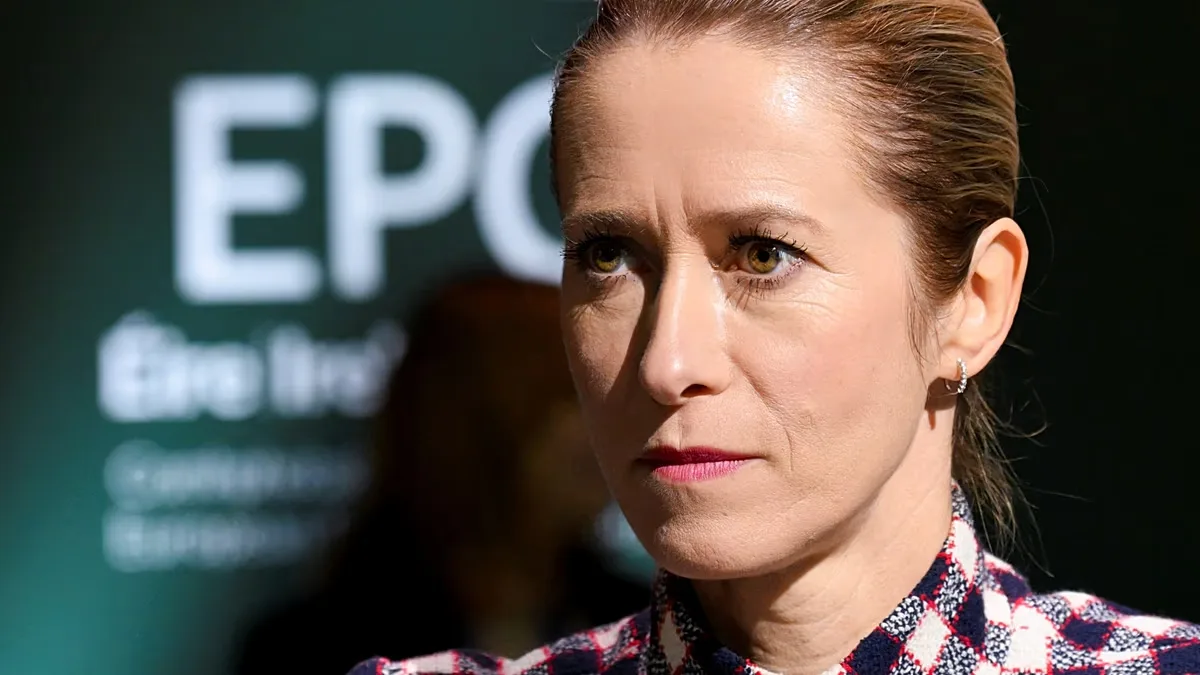
High Representative Kaja Kallas has pitched herself as the European Union's designated envoy for the negotiations to end Russia's war on Ukraine, arguing it is incumbent upon her, as foreign policy chief, to take on the high-stakes job.
But, she noted, "Russians do not want me" at the table due to her "strong" views.
"But do we have a say in who is representing Russia? No, we do not," Kallas said on Friday morning. "Really, we have to have a strong team."
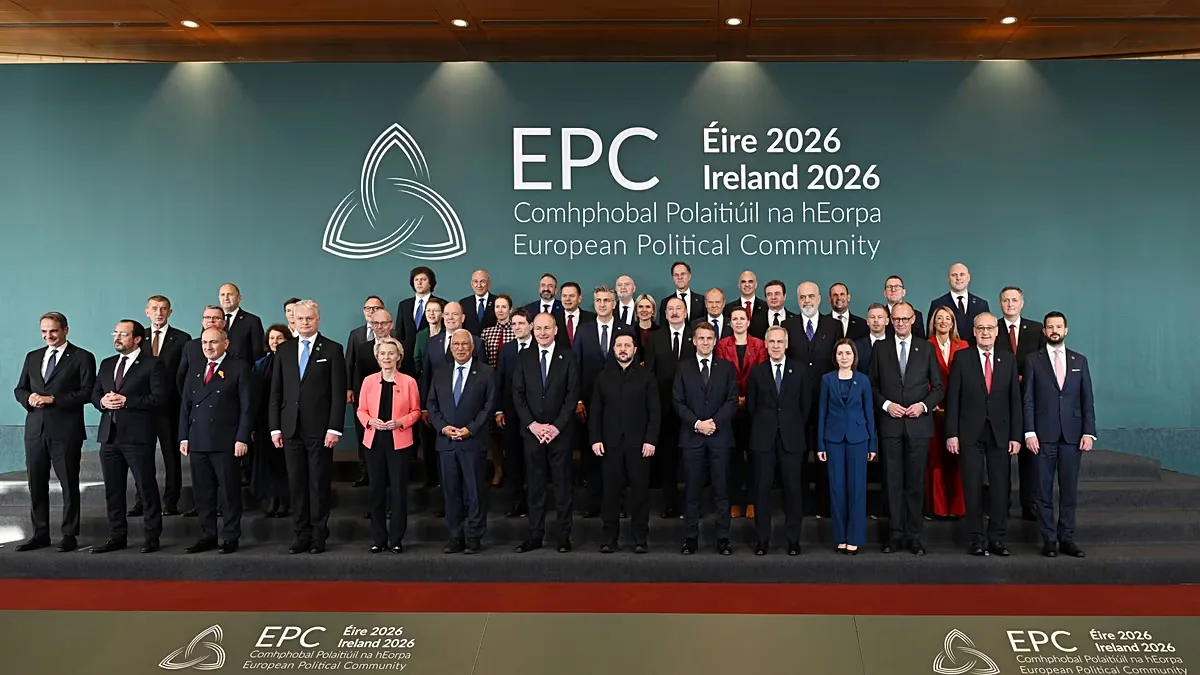
Speaking in Dublin, Ireland, at an informal summit of EU leaders, Kallas said it was those very heads of state and government who named her High Representative, knowing that face-to-face talks with Moscow would have to happen at some point.
"In June 2024, there was a decision by the leaders (on) who is representing (the EU) when it comes to security and foreign policy. And it was the discussion that in these five years there is going to be a negotiation with the Russians," she said.
"If the leaders want to change that agreement, of course, they may, because it is the leaders' decision, but I think we should focus our energy actually on the substance."
Kallas said the EU should not "copy the same pattern" that the United States follows in the negotiations, with two hand-picked envoys, Steve Witkoff and Jared Kushner. Instead, it should select somebody with a defined "institutional role".
The Treaty of Lisbon leaves foreign policy coordination and execution in the hands of the High Representative, but also envisions a representational role for the president of the European Council, currently António Costa.
The European Commission, meanwhile, handles areas such as sanctions, financing and accession that are crucial for the diplomatic track.
Costa has quickly overtaken Kallas in the race and is now seen as the frontrunner to be the special envoy. Kallas is considered a divisive figure in Brussels and has become increasingly sidelined in top-level discussions.
"I am bound to what the member states say," Kallas said, referring to the unanimity principles that guide EU foreign policy.
"I am not representing myself. I am representing 27, as I have done already for two years."
Asked if part of the Russian opposition against her stemmed from her being Eastern European, Kallas said Moscow would resist "anybody strong" at the table.
"They want to push through their maximum demands, like they have always done," she said, pushing back against "threats and ultimatums".
"Of course, if you negotiate with anybody, you want the other side to be as weak as possible so that you can get what you want. That is very clear," she went on.
"But it is not up to them to say. Otherwise, if we give them the right (to) this, we are actually really giving them the leverage that they should not have."
The topic of special envoy has come to the forefront of the conversation after both Ukraine and the US asked Europeans to appoint one representative for the talks.
Leaders discussed the matter while in Dublin.
"It's important we focus on the message and not the person who represents Europe," a senior diplomat said, warning that debating potential candidates risks "fuelling divisions among Europeans, which is what Russia wants".
So far, the negotiations have unfolded at the technical level, so it is unclear which role the envoy would play and at which table they would sit.
The last meeting in Abu Dhabi featured senior officials from France, Germany, the United Kingdom, Italy, the European Commission, the European Council and NATO.
Kallas admitted that the EU envoy would not be able to speak on behalf of the UK and Norway, two key supporters for Ukraine that are not members of the bloc.
Comments 0
No comments yet. Start the conversation.
Leave a comment