!['Interview With the Vampire' Director Officially Reveals Why Louis and Lestat’s Relationship Didn't Need to Be More Explicit [Exclusive]](/api/media/file/collider-f454dced4aaecdec6c78-0.webp)
There's not exactly much subtlety about the relationship between Louis and Lestat in Interview with the Vampire. The pair spend much of the film essentially in the roles of an immortal married couple whose relationship has become catastrophically dysfunctional. It's basically The War of the Roses, except it lasts for centuries. Throw in a vampire child into the equation, and you'll need more than a good lawyer and family therapy. The cast of Interview With the Vampire is led by Brad Pitt (Fight Club) as Louis and Tom Cruise (Mission: Impossible) as Lestat. Kirsten Dunst (Spider-Man) stars as Claudia, alongside Antonio Banderas (The Mask of Zorro) as Armand, Stephen Rea (The Crying Game) as Santiago, Christian Slater (True Romance) as Daniel Malloy, and Thandiwe Newton (Westworld) as Yvette
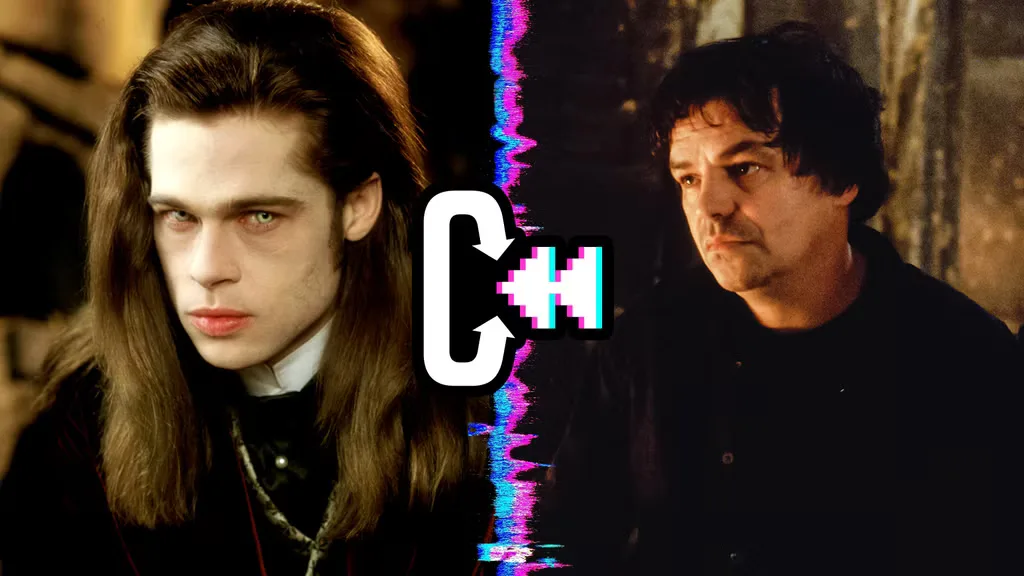
More than 30 years later, though, the boundaries for depicting a queer relationship on screen are very different from those facing a major Hollywood production in 1994. Speaking exclusively with Collider for the 4K restoration of the film as part of our retrospective Collider Rewind series, director Neil Jordan was asked whether he would make the relationship more explicit if he were making Interview with the Vampire today. For Jordan, the sexuality was already baked into Anne Rice's novel and its use of blood as a metaphor for sex. He explained:
“If you read the book, the level of sexuality and the use of the metaphor, let’s put it, of blood for sex and semen and all that sort of stuff, the film is exactly like that. I can see how you could have a far more flamboyant and far gayer version of the whole story. I could see that. But that’s not what she wrote. That wasn’t in the book that I read, and that wasn’t in the book that she wanted me to make as a movie.”
Jordan instead sees the heart of the story as the toxic, codependent relationship between its two male leads, with Lestat transforming Claudia into a vampire when Louis finally begins finding the courage to leave him. "The story of the film and the book is about two men who get obsessed," Jordan explained. "One is dominant, the other is passive. One tells the story about how he is turned into this monstrous thing by this character he never understood. Once having done that, they were condemned to live together, okay, as a couple. And when eventually Louis gets the courage to leave, Lestat very cleverly says, 'I'm going to make you a little child. Can you leave then?' So he turns Claudia into a child. So it's like a marriage between two men forever. If that metaphor isn't clear to people, I don't know what it is. That was the story. That was the metaphor."
Would Neil Jordan Make Louis and Lestat More Explicit Today?
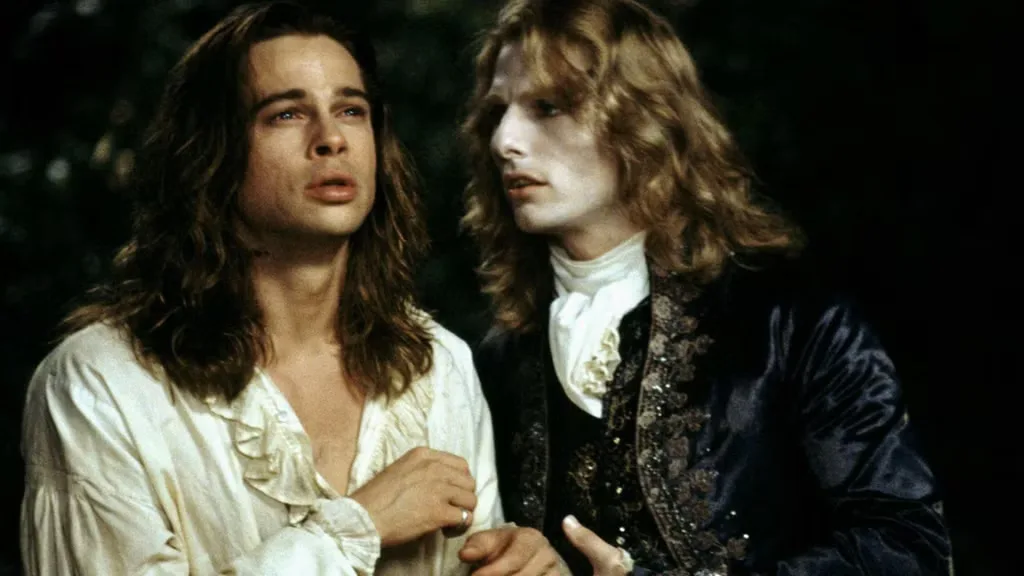
Jordan certainly acknowledges that a modern adaptation could remove the metaphor altogether and directly depict Louis and Lestat having a sexual relationship — which the AMC television series of the same name does — he's just not convinced that doing so would make their dynamic any more powerful. "I can see how you could be more flamboyant. You could have sexual scenes between Louis and Lestat and all that stuff, but I'm not sure it would make it any more dynamic." The relationship between the two characters has been explored very differently on television, but Jordan's movie remains rooted in the language and metaphor of Rice's original novel. Thirty years later, he doesn't sound particularly interested in rewriting that part of it.
Interview with the Vampire is available on 4K UHD. Stay tuned for more from the latest edition of Collider Rewind.
![Tom Cruise's Unmade 'Interview With the Vampire' Sequel Still Exists [Exclusive]](/api/media/file/collider-325a87c7fcb7033f9f48-0.webp)
![Kid Cudi's New Horror Movie Is Officially in Production With Barbie Ferreira [Exclusive]](/api/media/file/collider-a9b7755694b4152a312d-0.webp)
![‘Interview with the Vampire’ Director Officially Reveals What He Saw “Behind” Tom Cruise’s Famous Smile [Exclusive]](/api/media/file/collider-922606aeee7e60e8f77f-0.webp)
Comments 0
No comments yet. Start the conversation.
Leave a comment