Adapted from previously published coverage.
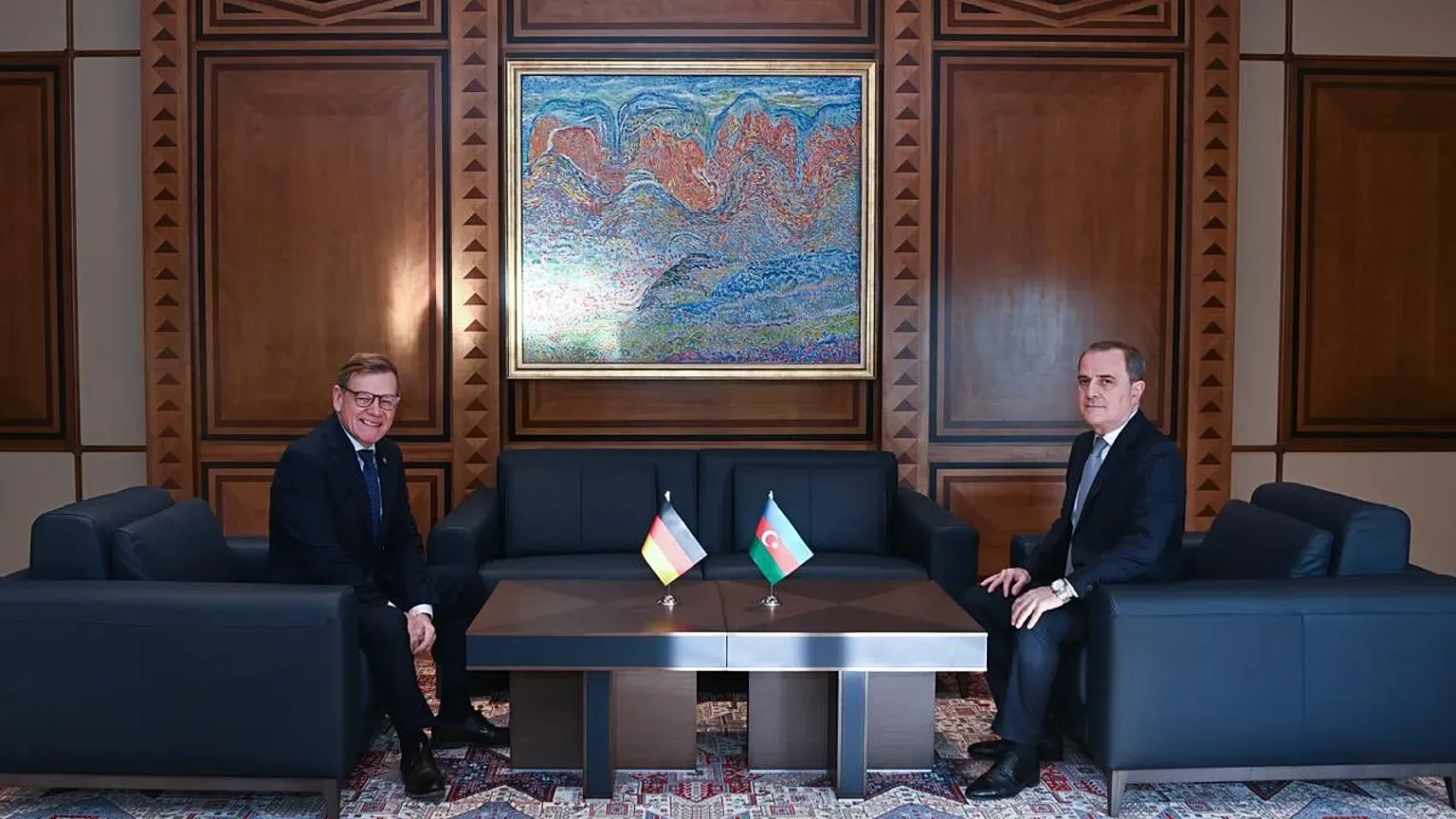
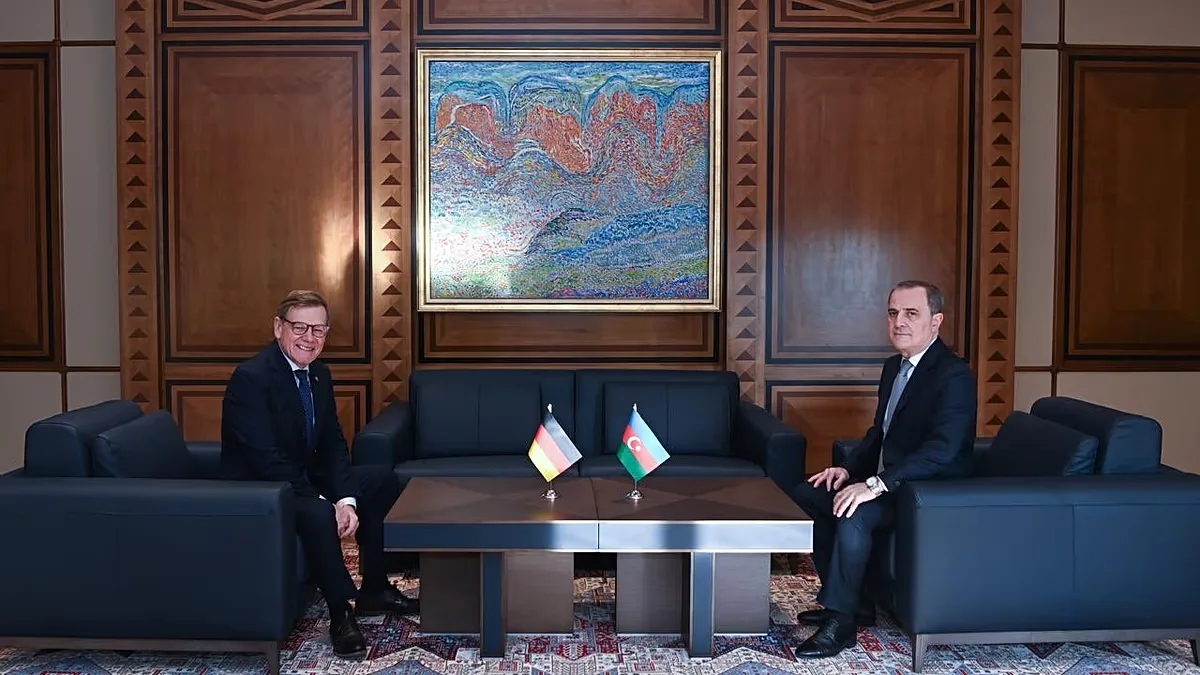
German Foreign Minister Johann Wadephul visited Azerbaijan and Armenia as Germany steps up its engagement in the South Caucasus, a region emerging from decades of conflict between the two former enemies, who are now looking forward together to a future of peace.
Wadephul said Germany sees the South Caucasus as "a region of opportunities," adding that for Berlin it is important to establish "close relations" with Azerbaijan as Germany seeks to leverage "opportunities of connectivity, trade and education in the South Caucasus in our joint strategic agenda."
"Amid Russia's aggression against Ukraine and the economic situation in Europe, we are seeking new opportunities to find reliable partners for diversification. Azerbaijan is one of these reliable partners," Wadephul said.
The EU has been engaging intensively with the region, as the prospect of open borders and improved regional connections could create new opportunities for businesses, facilitate trade, and strengthen alternative routes linking European and Asian markets.
With the South Caucasus' geographical position linking Europe and Asia, and with the ongoing crisis in the Strait of Hormuz disrupting global supply, the region has become increasingly important for global connectivity, international trade, and energy security.
The German foreign minister said the Middle Corridor connectivity project linking Asia and Europe through the South Caucasus and Central Asia is "of strategic importance to Europe both economically and politically," particularly "during this period of destabilisation."
The Middle Corridor, a transport network connecting China and Central Asia with Europe through the Caspian Sea and the South Caucasus, has attracted growing European interest as governments and businesses seek to diversify supply chains.
Wadephul said moving the Middle Corridor project forward had become a priority and that he would hold discussions in Armenia.
The economic benefits of regional connectivity depend on regional political stability, reliable cross-border arrangements, and cooperation between neighbouring countries.
For Berlin, supporting a stable South Caucasus is both a diplomatic objective and part of a broader European strategic interest.
Wadephul told reporters it was "important to move forward primarily through negotiations and dialogue ... amid tensions throughout the region."
"Ensuring security and stability in the region is among Germany's main priorities," he said, adding that he "would very much like the peace agreement between Azerbaijan and Armenia to finally be signed and enter into force."
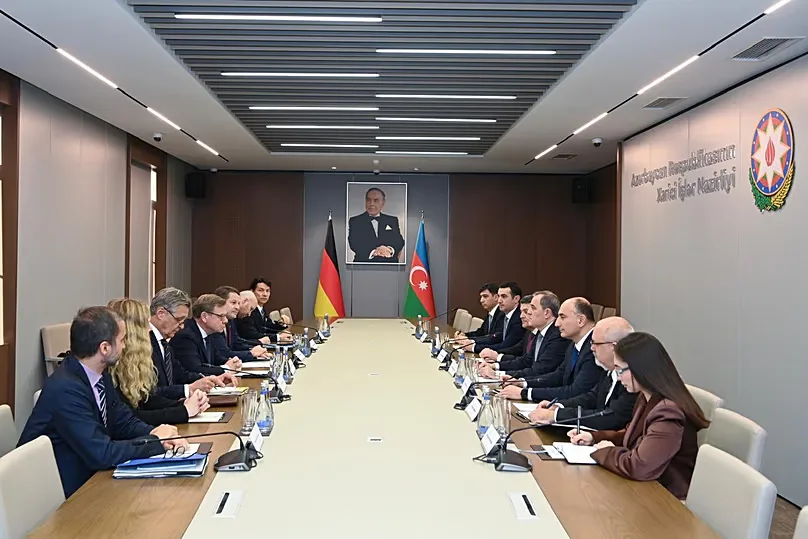
During a meeting with his German counterpart, Azerbaijan's Foreign Minister Jeyhun Bayramov acknowledged that without cooperation with Armenia, implementing the 42-kilometre Middle Corridor transport route, which runs through Armenian territory, might be difficult.
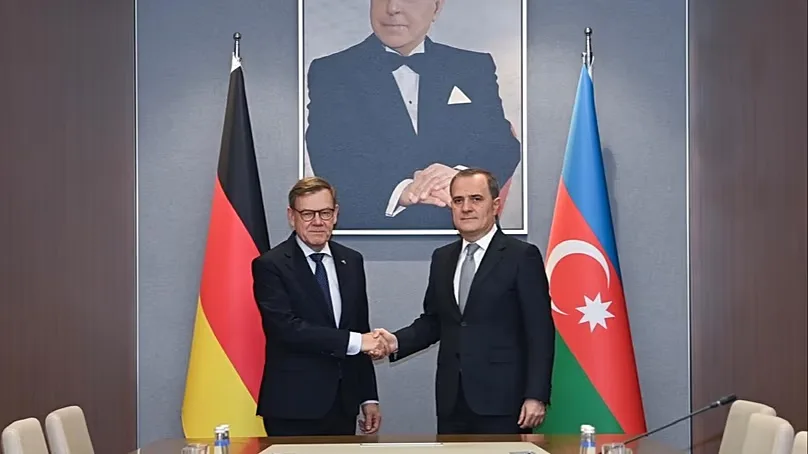
Bayramov explained that the "entry and exit points of this corridor are the Armenia–Azerbaijan border" and "because of this connection with Azerbaijan's, (if) communications does not take place, then it simply has no meaning, no logic."
Germany's foreign minister also met Azerbaijan's President Ilham Aliyev, whom Wadephul called a "reliable partner."
According to Azerbaijan's official trade statistics, bilateral trade reached approximately $1.4 billion in 2025, with German exports including vehicles, machinery and pharmaceuticals, while Azerbaijani exports were dominated by crude oil.
During his time in Baku, Germany's foreign minister visited the Baku Synagogue to meet representatives of the Muslim, Christian and Jewish communities, given Azerbaijan's tradition of religious coexistence.

Comments 0
No comments yet. Start the conversation.
Leave a comment